Koodo has long walked the line between affordability and performance, sitting just below Telus in the Canadian carrier hierarchy. It’s never been the cheapest flanker brand on the market, but it has consistently offered something others struggle to balance: reliable Canada-wide coverage paired with faster speeds than most other MVNOs (mobile virtual network operators).
In 2025, that positioning finally feels intentional rather than accidental. With expanded 5G access, clearer plan structures, and fewer compromises baked into its pricing, Koodo is shaping up to be one of the most compelling mid-tier carriers for Canadians. You can get great speeds without Big Three pricing.
Most Canadians will like Koodo’s 50GB Talk & Text - BYOP plan, priced at $50/month. It promises 5G speeds up to 250Mbps, unlimited Canada-wide calling and texting, nationwide coverage, and no contract if you bring your own phone. I spent a month using Koodo as my primary carrier and testing it across workdays, commutes, travel, streaming sessions, and cloud-based tasks to see whether it truly delivers on its “premium flanker” reputation.
In this review. I’ll break down exactly how Koodo performs in 2025, who it’s best for, where it still falls short, and whether it’s worth choosing over competitors like Fido, Virgin Plus, Fizz, and Lucky Mobile.
How I tested Koodo
Over the past month, I used Koodo’s 50GB Talk & Text – BYOP plan as my sole mobile connection. My testing focused on real-world usage and included:
.png)
- Network testing across downtown Toronto, the GTA, and Western Ontario
- Spotify and Apple Music streaming during workouts and commutes
- Streaming on YouTube, Netflix, and Disney+
- Large app downloads and file uploads
- Cloud-based productivity tasks at coffee shops
- Testing hotspot performance with a laptop
- Customer service interactions via phone and online chat
- Koodo Self Serve app management on iOS
The bottom line
After a month on Koodo’s 50GB Talk & Text – BYOP plan, it’s one of the most balanced mid-tier mobile options available in Canada today. It delivers noticeably faster speeds than LTE-only carriers, avoids the sticker shock of Big Three pricing, and includes plan perks often omitted by other MVNOs.
The 50GB data allotment is generous enough for most users, including those who stream video, hotspot occasionally, and rely on mobile data outside the home. Canada-wide calling and texting are table stakes in 2025, but Koodo delivers them without unnecessary restrictions. Where Koodo really pulls ahead is consistency within 5G speeds, especially outside major city cores.
It’s not perfect. Upload speeds can fluctuate, international perks are limited, and Koodo doesn’t always undercut the cheapest flanker brands on price. But as an all-around plan for Canadians who want speed, reliability, and predictable billing, Koodo hits a sweet spot.
Koodo plans and pricing
Koodo keeps its plan lineup intentionally simple. Unlike its parent company, Telus, there isn't a maze of “Standard,” “Plus,” or “Complete” tier names to understand. Instead, customers choose from a handful of Talk & Text plans with varying data sizes, all available with BYOP or with a Tab device-financing option. Each plan cleanly lists the available data pool so you know exactly how much you'll have access to each month.
As of 2026, Koodo’s plans include unlimited Canada-wide talk and text, voicemail, call display, and unlimited data at reduced speeds after reaching the monthly cap.
Here are Koodo’s current mobile plan options:
Koodo unlimited plan options

| Plan | Premium data | High-speed hotspot | Price | Shop plan |
|---|---|---|---|---|
| 50GB, Talk & Text | 5 50GB |
3.5Up to 250mbps |
1 BYOP: $50/mo.
2-year plan: $70/mo. |
View Plan |
| 70GB, Talk & Text |
4.5 70GB |
2 Up to 250mbps |
2.5 BYOP:
$55/mo.
2-year plan: $75/mo. |
View Plan |
| 100GB, Talk & Text | 4 100GB | 2.5 Up to 250mbps |
4 BYOP: $85/mo.
2-year plan: $85/mo. |
View Plan |
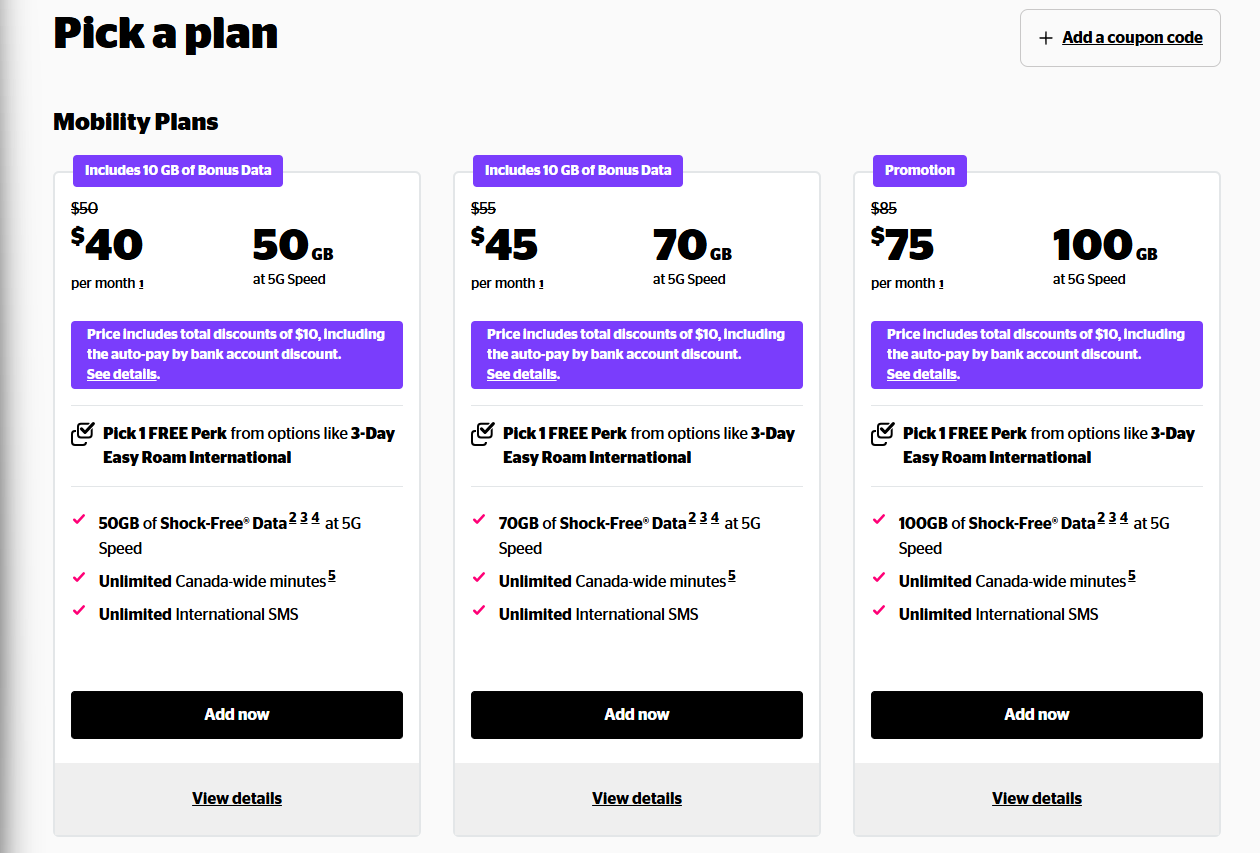
Image: Koodo
Koodo family plans
Koodo doesn’t offer traditional shared-data family plans. So, unfortunately, the carrier doesn't support a multi-line saving opportunity when adding more than one plan to an account. Even if more than one line is active on an account, Koodo does not support shared data allotments or plan perks. Each line is treated as its own, with a unified bill to be paid for each month.How I rated Koodo
WhistleOut's criteria span five key metrics, including price, value, speed, coverage, and customer service. Each is rated out of five stars. The average is then used to form the carrier’s overall score.
Here's a breakdown of Koodo's ratings across various metrics:
- Price: 4 out of 5
- Value: 4 out of 5
- Data speeds: 3.5 out of 5
- Coverage and network reliability: 4.5 out of 5
- Customer service: 2 out of 5
Overall, Koodo delivers strong value and reliable coverage, even if its customer service experience lags behind some competing mid-tier carriers.
Price
Koodo’s biggest strength has always been pricing that sits comfortably between flanker brands and premium carriers. In 2025, that positioning still holds a lot of weight. Koodo’s popular BYOP plan lands in the $50/month range, bundling 50GB of data with unlimited Canada-wide talk and text, and access to Telus’ national network. Compared to the Big Three, that’s an immediate win on paper.
What makes Koodo’s pricing especially compelling is that it doesn’t feel artificially cheap. You’re not sacrificing core functionality just to hit a cheaper monthly cost. Other flanker brands either forgo 5G network access or plan perks in order to justify a lower monthly cost. Hotspot access is included. Voicemail is functional. Call quality is strong. And critically, Koodo supports 5G speeds, something some mid-tier competitors don’t offer.
That said, Koodo isn’t always the cheapest option in its lane. Carriers like Lucky Mobile or Fizz can undercut Koodo on raw monthly cost, sometimes by $5–$10, especially during promotions. Those savings often come with trade-offs in speed caps, customer support accessibility, or network priority.
In terms of annual cost, a $50/month Koodo plan comes out to $600 per year, which feels reasonable for what you’re getting. This is especially true when comparing premium plans from the Big Three that can easily exceed $1,200 annually.Score: 4 out of 5
Value
Unlike some competitors, Koodo doesn’t nickel-and-dime users for basics. Hotspotting is included, which wasn't my experience while reviewing Fido's services. There’s no need to add a separate voicemail purchase. Features feel standardized rather than locked behind scummy upsells.
Koodo also offers one free perk with its plans, allowing users to choose between select options. These include Premium Voicemail, rollover data, unlimited long distance, 5G speed boosts and 3-day Easy Roam access. While these perks aren’t groundbreaking, they add flexibility and personalization that many flanker brands simply don’t offer. Depending on your usage and needs, these can come in very handy and are available at no extra cost.
Where Koodo falls slightly short is in extras beyond connectivity. There are no bundled streaming services, no device protection add-ons that stand out, and no ecosystem-style benefits like you’ll find with Telus or Rogers. You’re paying for solid wireless service and not much else.
Still, when you look at what you get for the price, Koodo consistently delivers strong value without unnecessary fluff or headaches.
Score: 4 out of 5
Data speeds
Koodo supports 5G access, but with speed caps that differentiate it from premium Telus plans. Whereas Telus provides maximum 5G speeds of 2Gbps, Koodo's speeds are capped at 250Mbps. This is sufficient for many Canadians when it comes to handling video streaming, app downloads, video calls, and hotspotting for lighter work tasks.
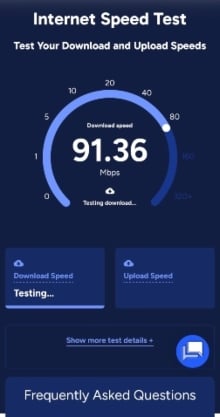
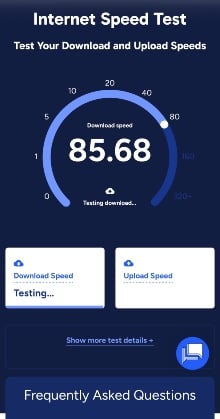
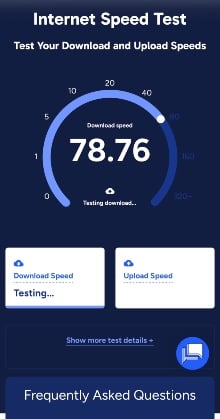
Image: Steve Vegvari | WhistleOut
During my testing, average speeds hovered between 90-120Mbps in Toronto and urban areas, with latency remaining stable enough for video calls, navigation, and general multitasking. Even during peak congestion, speeds rarely dropped below a usable threshold. Compared to 4G LTE-only carriers, the difference is immediately noticeable. Apps download near instantly. Videos buffer less often while streaming on Koodo's network. While I've experienced far better 5G performance from the Big Three, Koodo’s speeds are far more stable and faster than LTE-only offerings.
That said, I’m considered a fringe power user who regularly uploads larger files and often streams high-bitrate content. Even while streaming games on the cloud, I nitpick the latency.
In metro areas like downtown Toronto, signal strength was consistently strong, even in dense environments like the Eaton Centre and on the TTC subway lines. Throughout the month, my only nemesis was the concrete walls of my condo, which impacted call quality on occasion.
In rural and semi-rural testing, Koodo held up better than other budget carriers like Fido. While speeds dipped outside major cities, connectivity remained usable for navigation, messaging, and scrolling Instagram.
Koodo also supports extended coverage, allowing devices to connect to partner networks when outside Telus’ primary footprint. This happens automatically and doesn’t incur extra charges within Canada. Unless you live in the far Northern reaches of Canada, you probably won't have to use this all too much.
For most users, coverage won’t be a concern, and that reliability is one of Koodo’s strongest selling points.
Score: 3.5 out of 5
Coverage and network reliability
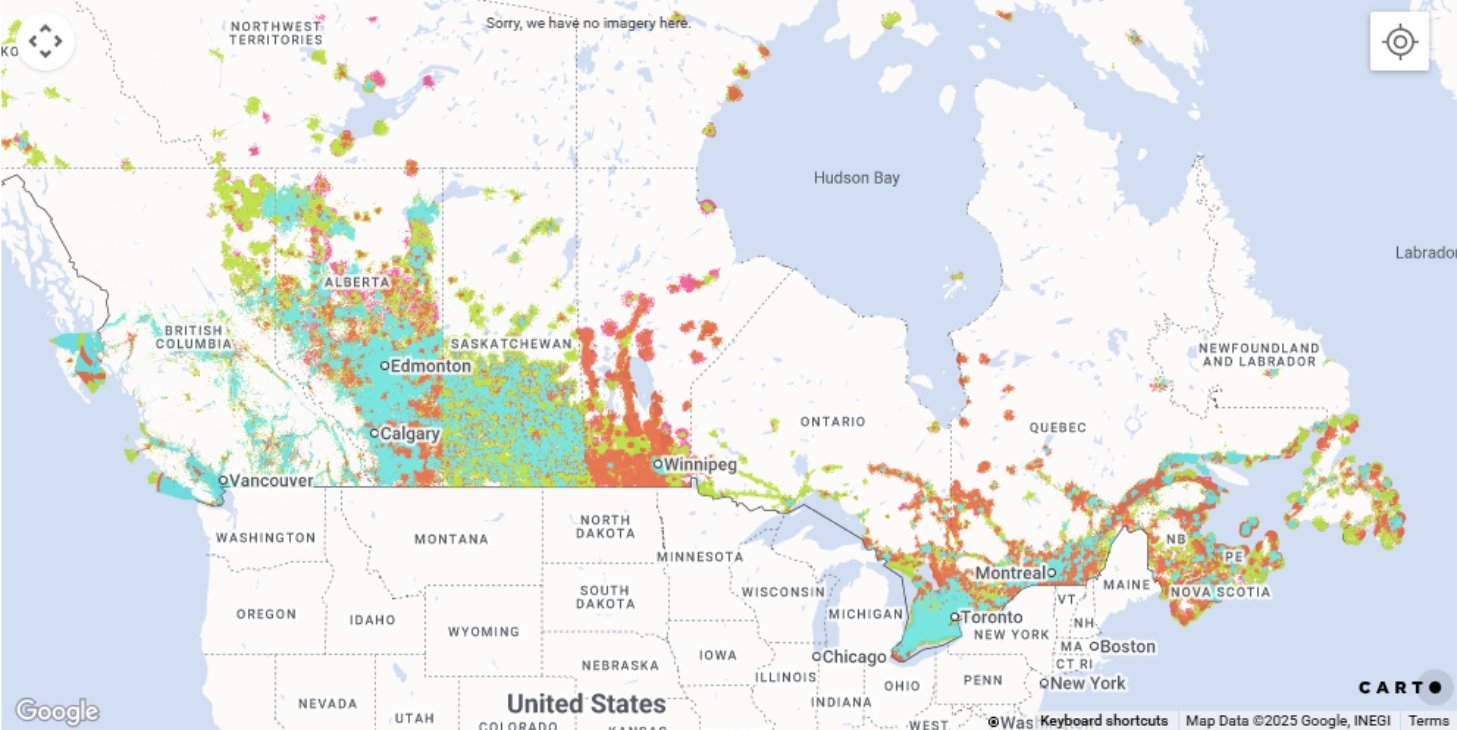
Image: Koodo
In metro areas like downtown Toronto, signal strength was consistently strong, even in dense environments like the Eaton Centre and on the TTC subway lines. Throughout the month, my only nemesis was the concrete walls of my condo, which impacted call quality on occasion.
In rural and semi-rural testing, Koodo held up better than other budget carriers like Fido. While speeds dipped outside major cities, connectivity remained usable for navigation, messaging, and scrolling Instagram.
Koodo also supports extended coverage, allowing devices to connect to partner networks when outside Telus’ primary footprint. This happens automatically and doesn’t incur extra charges within Canada. Unless you live in the far Northern reaches of Canada, you probably won't have to use this all too much.
For most users, coverage won’t be a concern, and that reliability is one of Koodo’s strongest selling points.
Score: 4.5 out of 5
Customer service
Over the past year, I've reviewed many Canadian carriers and seen some subpar customer service experiences. Koodo's customer service is fairly lacklustre. After activating my service, I wanted to explore whether Koodo actually offered any promotions when adding a second line that may not be listed on its website.
Koodo offers a callback service, which can save the frustration of sitting on hold for minutes on end. Still, the wait time sat at around 30 minutes before an agent contacted me. I spent about 15 minutes on the phone with them. Unfortunately, they didn't feel all too confident during the transaction. For one reason or another, it felt like I was bothering the agent by asking for assistance. Though by the end of it, I did have my questions answered. However, it was an unpleasant 45-minute endeavour.
Koodo also offers its Self Serve portal, where, after logging in, I was able to manage my account and billing services. There's also an online chatbot function, which can help answer pretty basic inquiries. Just don't go in expecting too much from this function on Koodo's website.
Score: 2 out of 5
Signing up with Koodo
Signing up with Koodo is straightforward and largely friction-free. I went online to find my plan and settled on the 50GB Talk & Text plan with a no-term contract. Using my existing device, I was able to activate an eSIM almost instantly. Koodo also offers the ability to port your phone number over from an existing carrier. Be aware that services with your old carrier must still be active in order to port your number.
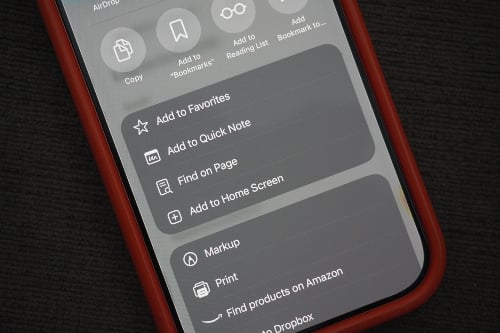
Image: Steve Vegvari | WhistleOut
If you activate in a store, Koodo charges a one-time $80 connection fee on your first bill. To avoid this (which you should at all costs), activate your services online. You'll also avoid the trip into the carrier's brick-and-mortar store, which we can all appreciate.
Managing my plan
Somehow, in 2025, Koodo does not have a dedicated app on iOS and Android. The carrier does offer its aforementioned Self Serve portal via its website. Comically, Koodo promotes its self-proclaimed "mobile-optimized" Koodo Self Serve site to your phone's home screen. The process of adding the Self Serve site to your home screen takes a few steps to complete, and a walkthrough is provided by the carrier.
The mobile experience is archaic to say the least, but it’s at least functional. Here, I'm able to monitor my data usage, pay bills directly, change my plan if I wish and enable AutoPay. There are no flashy features here, but everything works as expected. It does, however, leave me perplexed as to why an app hasn't been developed to make this more streamlined.Am I satisfied with the 50GB Talk & Text plan?
Overall, yes, I am happy with Koodo's 5G Talk & Text plan. Though it comes with some caveats. Koodo delivers a strong middle ground between affordability and performance. It doesn’t try to be flashy, and it doesn’t pretend to be premium. Instead, it focuses on reliable connectivity, reasonable pricing, and enough speed to keep up with modern usage.
If you’re coming from a premium carrier, you’ll notice fewer perks, but you’ll also notice a lower bill. If you’re upgrading from a budget carrier, Koodo feels like a meaningful step up. The service lands in the comfortable middle ground that should keep most Canadians happy while not burning a hole through your wallet.Data allotment
Koodo's support of 5G connectivity is a breath of fresh air for Canadians. So many flanker brands maintain 4G-exclusive service as a means of offering cheaper plans. Koodo leverages Telus' 5G network and offers a modest assortment of data pools to choose from. Testing the carrier's 50GB Talk & Text plan, I feel as though this is the easy recommendation for most Canadians. Having 50GB of 5G data to use throughout the month allowed me to scroll social media, binge-watch some TikToks while commuting across Toronto, and access my emails throughout the workday outside of my office.
Now, if you rely on having a large amount of data, 50GB may not be enough. For instance, I frequently upload and download larger video files, so if I'm working at a coffee shop often or travelling, 50GB could be worrisome. If you want your services to power your cloud gaming sessions while on the go, you may want to opt for more data. Streaming content can tap into your data pool quite a lot. With this in mind, though, as long as you're not doing it for hours at a time each day, 50GB of data is plenty.Gaming and streaming
On a stable 5G connection, streaming content and games over the cloud can be a staple of how you interact with your smartphone. Over the past month, I was able to test Koodo's stability while streaming shows on Netflix, Crave, and Prime Video. In most cases, I was able to get HD quality streams while commuting across Toronto. Sitting on the GO Train, I noticed some drops in the bitrate as service dipped while venturing out in Western Ontario.

Image: Steve Vegvari | WhistleOut
For cloud streaming, most gaming services require a reliable 10mbps connection for a playable experience. Koodo's service provided more than enough stability that I was able to play games like Winter Burrow, which demand super low latency. While Koodo's services are stable, there are occasional framerate drops or dips in latency. So, competitive games like Arc Raiders or Call of Duty: Black Ops 7 didn't perform as well.
Koodo versus the competition
As we've covered previously, Bell's pricing model is on the steeper side but provides some additional perks to go along with its 250GB data pool. One of the best ways to compare the carrier to the competition on the market is to look at comparative plans on the market from other major carriers.
By analyzing comparative plans, you can determine the costs that work best for your budget and get a sense of the perks that are most attractive for you. Here are comparative carrier plans, all on a BYOD term.
| Koodo 50 GB Talk & Text 100 |
Fido 50GB Talk & Text | Lucky Mobile Data, Talk & Text | Fizz 70GB Talk & Text | |||
|---|---|---|---|---|---|---|
| Premium data | 50GB | 50GB | 40GB | 70GB | ||
| High-speed hotspot | Up to 250Mbps | Up to 150Mbps | Up to 150Mbps | Up to 300mbps | ||
| Network | 5G | 4G LTE | 4G LTE | 4G LTE | ||
| Additional plan perks | Free perk available (premium voicemail, 5G speed boost, etc.) | 3% cash back value with a Rogers Red credit card | NA | No activation fee | ||
| Price | $50/mo. | $55/mo. | $39/mo. | $40/mo. | ||
| View Plan | View Plan | View Plan | View Plan |
When placed up against the competition, Koodo isn't the cheapest flanker on the market but it's also not the most expensive. Its 50GB Talk & Text plan does lean on the more costly side but does so with far better perks and speeds than other MVNOs. For instance, Fido's 50GB Talk & Text plan comes with equal data but slower speeds, all for $5 more each month.
Lucky Mobile and Fizz are both able to undercut Koodo's pricing. Canadians could be saving around $10/month by signing up with either carrier. With services under either brand, those monthly savings also come with the sacrifice of faster 5G access. Both Lucky Mobile and Fizz operate on 4G services, with speeds capped at 150Mbps. So, if you're in an area that supports 5G, there's an added incentive to go with Koodo and get those quicker speeds for streaming and file downloads.
From a very top level, Koodo far exceeds its competition when it comes to perks. Among Fido, Lucky Mobile, and Fizz, none compares to the perks Koodo includes. While Fido offers a meagre 3% cash back value with a Rogers Red credit card and Fizz avoids any activation fees, Koodo offers tangible perks that customers can choose from. Having premium voicemail or 5G speed boosts to choose from gives customers some flexibility depending on their needs.
Recap: Would I recommend Koodo?
Following my month with Koodo, I can see how the carrier is an ideal option for many Canadians. As a cheaper alternative to the Big Three, Koodo offers reliable nationwide coverage and 5G speeds without premium pricing. Customers can expect to find solid value for standardized plan inclusions without unnecessary extras or egregious add-ons to nickel and dime you. The only downside I was able to clock was its subpar customer service experience.
If you’re chasing the cheapest possible plan, there are better options. If you want top-tier speeds and bundled services, premium carriers still lead. Nestled in the middle is Koodo, providing dependable service, fair pricing, and future-proof connectivity. Koodo remains one of the safest recommendations in Canada’s wireless market in 2025.|
Koodo Mobile

$22 Unlimited Canada-Wide Calling Plan
$22.00
Per 30 Day Top-up
+ $10 Upfront
|
|
Koodo Mobile
$22 Unlimited Canada-Wide Calling Plan
$22.00
Per 30 Day Top-up
+ $10 Upfront
|
|
Koodo Mobile
$25 Unlimited Canada-Wide Calling Plan
$25.00
Per 30 Day Top-up
+ $10 Upfront
|
|
Koodo Mobile
$25 Unlimited Canada-Wide Calling Plan
$25.00
Per 30 Day Top-up
+ $10 Upfront
|
|
Koodo Mobile
$30 Unlimited Canada-Wide Calling Plan
$30.00
Per 30 Day Top-up
+ $10 Upfront
|
Steve Vegvari

Steve Vegvari is a 10-year writer in the gaming and tech space, writing for several Canadian publications. He's covered everything from the latest marquee games and hardware to smartphones, smart home devices, TVs, and smart lights. Steve emphasizes his love of weird, experimental tech while uncovering the pros and cons of the Canadian mobile market.
Steve Vegvari
Staff Writer

Thousands of cell phone plans unpacked. All the facts. No surprises.


Find Better Phones and Plans
Hundreds of cell phone plans unpacked. All the facts. No surprises.