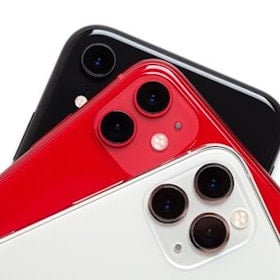
A phone with a 200MP camera sounds like it should take better photos than one with a 48MP sensor. That's a reasonable assumption when manufacturers make megapixels one of the biggest numbers on the box, and the 200MP main camera on the Samsung Galaxy S26 Ultra is a prime example.
The trouble is that more megapixels don't automatically produce a better photo. The iPhone 18 Pro uses 48MP sensors across all three of its rear cameras, and the Google Pixel 11 Pro sticks with a 50MP main camera, yet all three are flagship camera phones.
Resolution matters, especially if you crop heavily or print large images. But the sensor, lens, image processing, stabilization, and lighting all influence what your photos actually look like. Here's how that plays out on today's top phones.
What are megapixels?
A megapixel is one million pixels. A 12MP image contains roughly 12 million pixels, while a 48MP image contains roughly 48 million. A full 48MP photo from the iPhone 18 Pro, for example, measures roughly 8,000 by 6,000 pixels. More pixels can capture additional detail, provided the camera's optics and sensor can resolve it.
That last part matters. A high-resolution sensor paired with a poor lens won't necessarily produce sharper results than a lower-resolution camera with better optics and processing. The Pixel 11 Pro's 48MP telephoto is a good illustration: Its resolution matches the Pixel 10 Pro's telephoto, but Google moved to a physically larger sensor that it says lets in about 30% more light. Same megapixels, different results. And even the best sensor can't recover detail from a blurry shot caused by movement.
- 6.7 inch display
- Rear Cameras: 50MP, 12MP, 8MP
- Front Camera: 12MP

- 6.7 inch display
- Rear Cameras: 50MP, 12MP, 8MP
- Front Camera: 12MP

- 6.3 inch display
- Rear Cameras: 50MP, 10MP, 12MP
- Front Camera: 12MP
- 6.3 inch display
- Rear Cameras: 50MP, 12MP, 10MP
- Front Camera: 12MP
- 6.7 inch display
- Rear Cameras: 50MP, 10MP, 12MP
- Front Camera: 12MP

12MP vs. 48MP vs. 200MP cameras
| Resolution | Potential advantage | Important trade-off |
|---|---|---|
| 12MP | Smaller files; sufficient for most sharing | Less room for extreme cropping |
| 48MP | Greater detail in favourable light | Full-resolution modes can use more storage |
| 200MP | Considerable cropping potential | Processing, lens quality, and lighting still limit real detail |
These are broad insights, not guaranteed results. A phone's default camera mode may save an image at a lower resolution than the sensor's advertised megapixel count.
You can see all three tiers on current flagships. The Galaxy S26 Ultra pairs its 200MP main camera with a 50MP ultrawide and a 50MP 5x telephoto, while its default photos come out at roughly 12MP. The iPhone 18 Pro offers 24MP and 48MP photo modes across its main, ultrawide, and telephoto cameras. The Pixel 11 Pro's 50MP main camera, meanwhile, typically saves 12.5MP photos unless you switch modes.
Why doesn't a 200MP phone always shoot 200MP photos?
Many modern smartphone cameras use pixel binning, a technique that combines information from neighbouring sensor pixels to produce a lower-resolution image. This can improve the signal available for image processing, particularly in challenging light. A high-megapixel camera might therefore capture its default shots at 12MP or another reduced resolution.
Let's look at the Galaxy S26 Ultra. Samsung's spec sheet lists 12MP photos from 16-in-1 binning and 50MP photos from 4-in-1 binning, and the full 200MP is something you choose on purpose by tapping Resolution in the camera's quick controls. Google's Pixel phones work similarly, using a 50MP main sensor to produce a 12.5MP default image, while the iPhone 18 Pro lets you pick between 24MP and 48MP.
Switching to full resolution can make sense for bright outdoor scenes where you want extra detail for cropping, such as a distant skyline or a bird in a tree. Indoors or at night, the default mode may produce a more pleasing image because the phone is prioritizing light capture and computational processing.
What matters more than megapixels?
Sensor size and light
A camera needs light to create a clean image. Larger sensors can offer advantages in light gathering, though pixel design and processing also matter. Compare the iPhone 18 Pro's 48MP main camera with the Galaxy S26 Ultra's 200MP main camera: The sensors are close in physical size, at roughly 1/1.3 inch, but Samsung divides its sensor into far more pixels, so each one is much smaller (around 0.6 micron versus roughly 1.2 micron on the iPhone).
Sensor size also changes the picture within a single lineup. The standard Google Pixel 11 has a 48MP main camera on a smaller sensor than the Pixel 11 Pro's roughly 50MP main camera, even though the numbers on the box look nearly identical. That's one reason a premium phone with fewer megapixels may outperform a cheaper model with a headline-grabbing sensor.
Lens quality and aperture
A good lens helps preserve detail across the frame. Aperture affects how much light reaches the sensor, but it isn't a complete measure of camera quality on its own. The Galaxy S26 Ultra's main camera is f/1.4, the Pixel 11 Pro's is f/1.7, and the iPhone 18 Pro is the first iPhone with a variable aperture, which Apple lists as ranging from ƒ/1.48 to ƒ/4.0. A wider aperture on paper doesn't automatically mean a better photo.
Optical image stabilization
Optical stabilization compensates for small movements while you're taking a photo or recording video. It's particularly useful in low light, when longer exposures make blur more likely. It matters most on telephoto lenses, where zooming magnifies every shake: The iPhone 18 Pro's 4x telephoto uses 3D sensor-shift stabilization, while the 5x telephoto on the Galaxy S26 Ultra and Pixel 11 Pro both include optical stabilization.
Image processing
Your phone combines multiple exposures, adjusts colour, reduces noise, and sharpens detail. These decisions have a major effect on skin tones, night photography, and moving subjects. Each brand leans on its own approach: Samsung's ProVisual Engine on the Galaxy S26 Ultra, Google's Tensor G6 chip on the Pixel 11 Pro, and Apple's A20 Pro on the iPhone 18 Pro. That's why two phones with similar sensors can render the same scene differently. Sometimes the best-looking photo comes from the phone with the least impressive specification sheet.
Is a high-megapixel camera worth paying more for?
If you photograph landscapes in good light, crop images frequently, or need extra resolution for prints, a high-resolution main camera can be useful. That's where the Galaxy S26 Ultra's 200MP mode is easiest to justify. If most of your photos end up in group chats and social feeds, look at actual sample images before paying extra for a bigger megapixel count. The default-resolution photos from the S26 Ultra, Pixel 11 Pro, and iPhone 18 Pro are already more than enough for sharing on screens.
Don't overlook the ultrawide and telephoto cameras, either. A phone might advertise a spectacular main camera while cutting corners elsewhere. The Galaxy S26 Ultra pairs its 200MP main camera with a 10MP 3x telephoto, and the standard Pixel 11 has a 48MP main camera but a 13MP ultrawide. By contrast, the iPhone 18 Pro uses 48MP sensors on all three rear cameras. A balanced camera system is often more useful than one exceptional number.
How to compare phone cameras before buying
Look at samples shot in daylight, indoors, and at night. Pay attention to motion blur, skin tones, zoom quality, and consistency between lenses. If you're choosing between flagships, frame the same subject with the iPhone 18 Pro's 4x telephoto and the Galaxy S26 Ultra's and Pixel 11 Pro's 5x telephoto. If possible, inspect full-resolution images instead of only looking at small previews on a retailer's website.
And remember that camera features can increase your storage needs. If you shoot a lot of high-resolution photos and 4K video, check how much smartphone storage you need before choosing your next phone. The iPhone 18 Pro, Galaxy S26 Ultra, and Pixel 11 Pro all come in 256GB, 512GB, and 1TB options, and Apple also offers a 2TB iPhone 18 Pro.
When more megapixels actually help
Higher-resolution modes can be genuinely useful if you want to crop into a landscape, photograph fine detail in bright daylight, or print an image at a larger size. Shooting the Galaxy S26 Ultra's 200MP mode or the iPhone 18 Pro's 48MP mode on a bright hike, for example, gives you room to crop into distant details later.
The catch is that the lens, sensor, and processing must preserve enough detail to justify the larger file. In dim light, a lower-resolution default mode may deliver a cleaner result because the phone combines information from neighbouring pixels.
It's also worth checking which camera offers the advertised resolution. A phone might have a high-resolution main sensor but much lower-resolution ultrawide and telephoto cameras. The Galaxy S26 Ultra's 200MP headline applies only to its main camera, and its 3x telephoto is 10MP. On the Pixel 11 Pro and iPhone 18 Pro, the ultrawide and telephoto cameras are 48MP, so the gap is smaller. If you take more portraits or zoomed-in shots than wide photos, the megapixel headline won't tell you much about the camera you use most.
A simple camera comparison you can do in a store
Photograph the same scene on each phone using the default mode. Include a face, a bright window, and a darker corner if possible. Zoom in on hair, fabric, and text, then look for unnatural sharpening or smeared detail. Repeat using a zoom setting you expect to use regularly, such as 4x on the iPhone 18 Pro or 5x on the Galaxy S26 Ultra and Pixel 11 Pro. This tells you more than comparing megapixel figures on two retail cards.
If a retailer allows it, also try a short handheld video. Stabilization, autofocus, and exposure changes often matter more in day-to-day use than whether the still camera says 48MP or 200MP.
Phone camera megapixels: FAQ
Is 48MP better than 12MP?
Not automatically. A 48MP camera, like the ones on the iPhone 18 Pro, can capture more detail, but sensor quality, optics, processing, and lighting affect the final result.
Is 200MP overkill for a phone?
For everyday social photos, often. The Galaxy S26 Ultra's 200MP mode can still help with detailed scenes and cropping under the right conditions.
Do more megapixels use more storage?
Full-resolution files often require more storage, so consider a 512GB or larger model if you regularly shoot at 48MP or 200MP. File formats and compression settings also make a substantial difference.
- 6.1 inch display
- Rear Cameras: 48MP, 12MP
- Front Camera: 12MP

- 6.1 inch display
- Rear Cameras: 48MP, 12MP
- Front Camera: 12MP

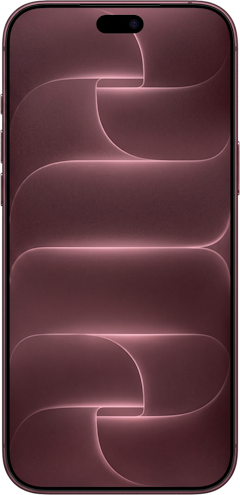
- 6.3 inch display
- Rear Cameras: 48MP, 48MP, 48MP
- Front Camera: 18MP
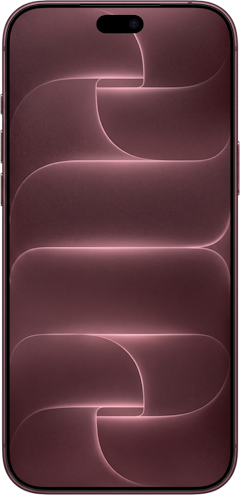
- 6.9 inch display
- Rear Cameras: 48MP, 48MP, 48MP
- Front Camera: 18MP
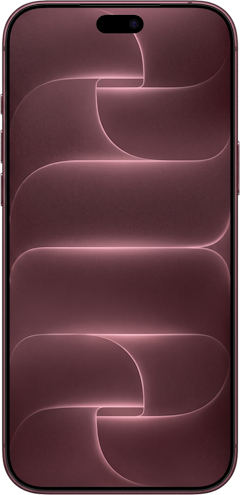
- 6.3 inch display
- Rear Cameras: 48MP, 48MP, 48MP
- Front Camera: 18MP
Steve Vegvari
Staff Writer

Thousands of cell phone plans unpacked. All the facts. No surprises.
Related Articles


Related Topics
Apple Samsung Galaxy Google PixelPopular Topics
Android Apple Samsung iPhone Google iOS Cell phone plans Rogers Telus BellFind Better Phones and Plans
Hundreds of cell phone plans unpacked. All the facts. No surprises.