Samsung took an unusual approach to its foldable lineup this year. Rather than simply replacing the Galaxy Z Fold7 with a faster version of the same phone, the company redesigned the Galaxy Z Fold8 around portability and content consumption.
The result is a smaller, substantially lighter foldable with a 7.6-inch 4:3 display, a 4,800mAh battery, and a Snapdragon 8 Elite Gen 5 for Galaxy processor. The Galaxy Z Fold7, meanwhile, offers larger 8-inch and 6.5-inch displays alongside a much more capable 200MP camera.
I've spent time with both generations, and the Fold8's improvements make it the easier phone to carry around every day. However, Fold7 owners don't necessarily need to rush to upgrade.
Let's compare the Samsung Galaxy Z Fold8 and Galaxy Z Fold7 to see which foldable is right for you.
Specs comparison
While the Galaxy Z Fold8 introduces an entirely new foldable design, many specs are still worth comparing to last year's model. This year, the screen size differs notably because of the design. Unlike contemporary phones, the Galaxy Z Fold8 is shorter but wider; almost the same size as a passport. Samsung has also reduced the number of cameras this year, trading them for an improved ultra-wide shooter.
The Galaxy Z Fold8 changes the Fold formula more than its name might suggest. It's smaller than the Fold7, but it adds a larger battery and a newer processor. Below is a more high-level breakdown of differences between the Galaxy Z Fold8 and Galaxy Z Fold7.
Samsung Galaxy Z Fold8 vs. Galaxy Z Fold7 specs
| Galaxy Z Fold8 | Galaxy Z Fold7 | |
|---|---|---|
| Starting price | From $2,399 | From $2,499 |
| Main Display | 7.6-inch Dynamic AMOLED 2X, 120Hz |
8-inch Dynamic AMOLED 2X, 120Hz |
| Cover Display | 5.5-inch Dynamic AMOLED 2X |
6.5-inch Dynamic AMOLED 2X |
| Processor | Snapdragon 8 Elite Gen 5 for Galaxy |
Snapdragon 8 Elite for Galaxy |
| Main camera | 50MP wide 50MP ultra-wide |
200MP wide 12MP ultra-wide 10MP 3x telephoto |
| Selfie camera | 10MP |
10MP |
| Video recording | 8K @ 30fps Dual Recording My FanCam |
8K @ 30fps Dual Recording Flex Mode |
| Internal memory | 256GB
512GB 1TB |
256GB 512GB 1TB |
| Battery life | Up to 26 hours of video playback | Up to 24 hours of playback |
| Charging | USB-C
Up to 45W wired | USB-C Up to 25W wired |
| Colours | Lavender Graphite Cream Pistachio (online exclusive) |
Blue Shadow Silver Shadow Jet Black Mint |
Galaxy Z Fold8 vs. Fold7 pricing
The Galaxy Z Fold series remains one of Samsung's most expensive smartphone families, so price should play a major role in deciding between these two phones. What's surprising is that the Galaxy Z Fold8 is in fact less expensive than last year's model.
The Galaxy Z Fold8 is priced as follows:
- Galaxy Z Fold8 256GB: $2,399
- Galaxy Z Fold8 512GB: $2,679
- Galaxy Z Fold8 1TB: $3,239
Although a new model is available, the Galaxy Z Fold7 remains locked at a premium price. This premium price is largely because it offers flagship performance, an 8-inch foldable display, and a 200MP main camera.
- Galaxy Z Fold7 256GB: $2,499
- Galaxy Z Fold7 512GB: $3,079
That pricing gives the Fold8 an immediate advantage for new buyers. You're getting newer hardware, a larger battery, and a lighter design without paying the typical new-generation premium. The Fold7 can still make sense if you find it heavily discounted through Samsung or a carrier, but at regular Canadian pricing, there's little financial incentive to choose it over the Fold8.
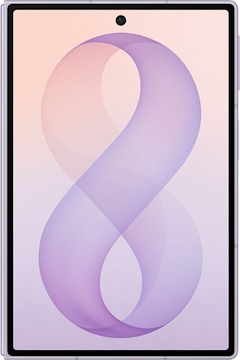
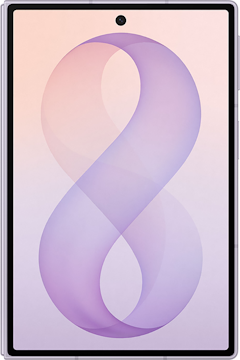
Galaxy Z Fold8 5G 256GB
- 7.6 inch display
- Rear Cameras: 50MP, 50MP
- Front Cameras: 10MP, 10MP
Galaxy Z Fold8 5G 512GB
- 7.6 inch display
- Rear Cameras: 50MP, 50MP
- Front Cameras: 10MP, 10MP
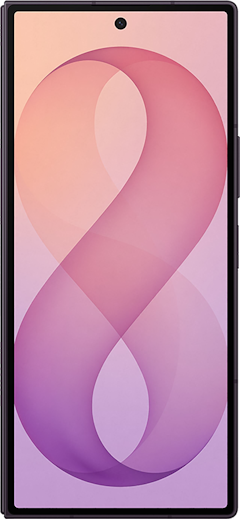
Galaxy Z Fold8 Ultra 5G 256GB
- 8 inch display
- Rear Cameras: 200MP, 50MP, 10MP
- Front Cameras: 10MP, 10MP

Galaxy Z Fold8 is smaller and substantially lighter
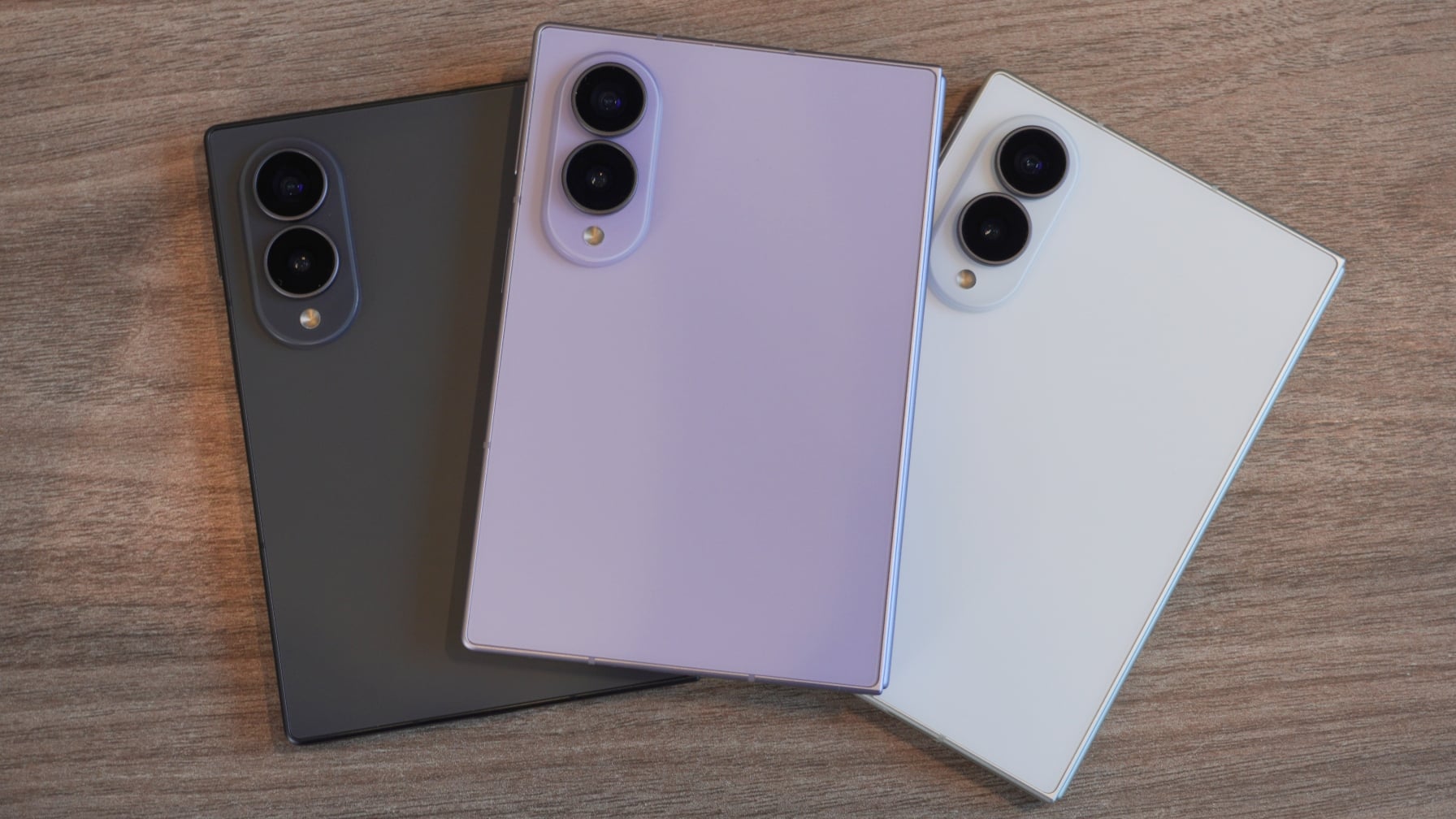
Image: Steve Vegvari | WhistleOut
The biggest difference between the two phones isn't performance. It's how they feel in your hand.
The Galaxy Z Fold7 was already impressively thin and light for a book-style foldable, weighing 215g. The Galaxy Z Fold8 drops that to just 201g, making it Samsung's lightest Fold yet. That 14g difference sounds insignificant on paper, but I noticed it almost immediately.
The Fold8 doesn't have the same top-heavy feeling I've associated with previous Fold devices. Rather than maintaining the Fold7's traditional phone-and-tablet design, the Fold8 is roughly passport-sized and deliberately built around portability. It's easier to hold with one hand, especially while scrolling social media. When folded, the Z Fold8 feels much closer to carrying a conventional smartphone. However, the shorter, wider design feels much better than a traditional smartphone. It's been astounding to go between the Galaxy Z Fold8 and my Galaxy S26 Ultra, only to prefer the foldable’s proportions.
The Fold7 is still impressively thin and gives you considerably more screen real estate, but the Fold8 is the phone I'd rather carry around every day.
Fold8's 4:3 display changes how I use the phone
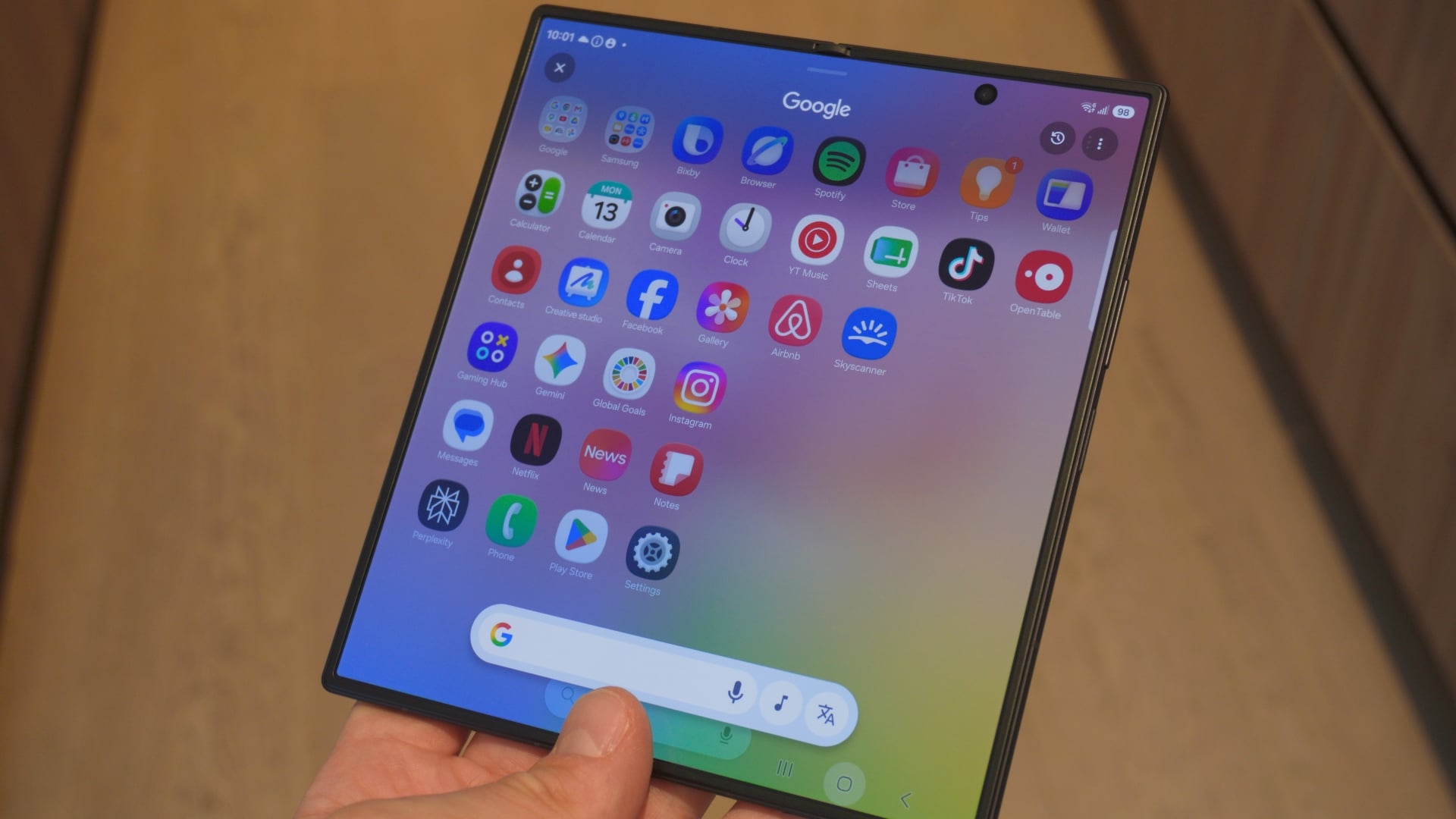
Image: Steve Vegvari | WhistleOut
The Fold8's smaller dimensions come with an obvious compromise: Its displays are smaller. The Fold7 features an 8-inch main display and 6.5-inch cover screen. The Fold8 drops those to 7.6 inches and 5.5 inches, respectively. Samsung specifically designed the new model around consuming short- and long-form content, with a wider 4:3 inner display.
During my time with the Fold8, I've grown to appreciate that shape. Reading ebooks, browsing websites, scrolling social media, and even playing Pokémon GO feel natural on the wider screen. I've also found myself propping it up to watch videos rather than reaching for my iPad.
However, the Fold7 remains better for users who want the biggest canvas possible. Its 8-inch screen provides more room for multitasking, video, spreadsheets, and running apps side by side.
The Fold8 is more comfortable. The Fold7 is more expansive. This one comes down to how you intend to use your foldable.
Snapdragon 8 Elite Gen 5 brings a performance upgrade
Samsung's Galaxy Z Fold8 runs on Qualcomm's Snapdragon 8 Elite Gen 5, while the Fold7 uses last year's Snapdragon 8 Elite. Both are flagship processors, and I haven't encountered any meaningful performance issues with either phone. Apps open quickly, games run smoothly, and Samsung's foldable interface handles multitasking without much hesitation.
The Fold8's newer chipset gives it an edge, particularly as Samsung continues adding more demanding Galaxy AI features. It's also the phone with more performance headroom going forward.
That said, I wouldn't recommend upgrading from a Fold7 based on performance alone. Last year's Snapdragon 8 Elite chip remains extremely capable in 2026, and the generational difference isn't dramatic enough during everyday use to make the Fold7 suddenly feel dated. For a new purchase, though, the Fold8 wins.
Galaxy Z Fold7 has the better camera
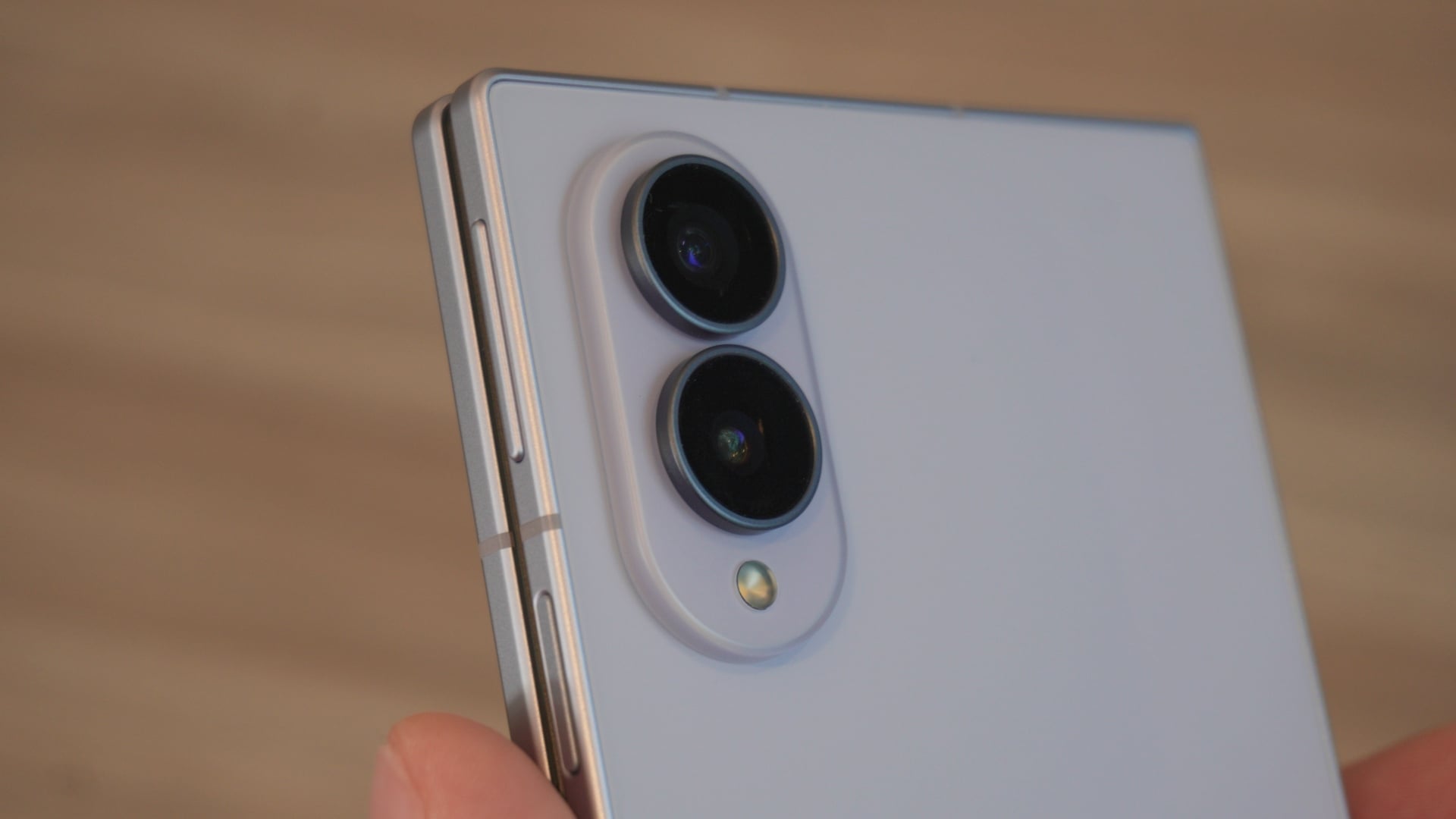
Image: Steve Vegvari | WhistleOut
Here's where the Fold7 fires back. Samsung equipped the Galaxy Z Fold7 with a 200MP main camera, 12MP ultra-wide camera, and 10MP telephoto with 3x optical zoom. The Fold8 instead uses 50MP wide and 50MP ultra-wide cameras and doesn't include a dedicated telephoto lens.
Samsung's own current comparison material continues to distinguish the newer Fold lineup by camera hardware, with the Fold8 using a 50MP wide sensor rather than the 200MP sensor found on its more photography-focused Fold models.
I've still enjoyed shooting with the Fold8. Photos are detailed, Samsung's processing produces punchy images, and the folding design opens up some interesting ways to frame shots. Samsung has also added creator-focused tools like Dual Recording, Horizontal Lock, and My FanCam, which can automatically track and reframe a subject after you've recorded a video.
Still, software doesn't replace hardware. The Fold7's 200MP sensor and dedicated 3x telephoto make it the more versatile camera phone, particularly if you regularly shoot zoomed photos.
Fold8 gets a welcome battery upgrade
The Fold8's smaller body surprisingly doesn't result in a smaller battery. Samsung increased capacity from the Fold7's 4,400mAh battery to 4,800mAh on the Fold8. Samsung rates the newer model for up to 26 hours of video playback.
In practice, I've been able to get through a full day on the Fold8 while bouncing between social media, messaging, photography, browsing, and gaming. That's important because the entire appeal of a foldable disappears pretty quickly if you're afraid to use that large display because your battery is running low.
The Fold7's battery isn't poor, but the combination of increased capacity and a newer processor gives the Fold8 another meaningful hardware advantage.
Galaxy AI continues evolving
Both devices offer Galaxy AI, so you don't need to buy Samsung's newest Fold to access features like Circle to Search, Interpreter, Generative Edit, and other AI tools. The Fold8 does benefit from Samsung's latest software additions, including features designed specifically around the foldable form factor.
Now Nudge can use context across multiple apps to surface relevant information, while Semantic Search makes it easier to find information using natural language. Samsung has also expanded Generative Edit with text and voice prompts.
I've found the Fold format excels with these features because there's actually enough screen space to work between multiple apps without everything feeling cramped.
Still, Galaxy AI isn't a reason for Fold7 owners to rush out and upgrade. Many of Samsung's core AI features remain available on last year's phone.
Verdict: Should you upgrade from the Galaxy Z Fold7?
The Galaxy Z Fold8 is the better phone for most people, but that doesn't necessarily make it a worthwhile upgrade for Galaxy Z Fold7 owners. The Fold7 still has an excellent Snapdragon processor, a larger 8-inch display, and, importantly, a significantly more versatile camera system. If you bought one last year, there isn't enough here to justify replacing a $2,500 foldable after 12 months.
For someone buying a foldable today, however, the decision is much easier. The Fold8 starts at $2,399 in Canada, while the Fold7 remains $100 more expensive at $2,499. With the Fold8, you get a lighter 201g design, a larger 4,800mAh battery, a newer Snapdragon 8 Elite Gen 5 processor, and Samsung's latest Galaxy AI features for less money.
The Fold7 still deserves consideration if its larger display and superior cameras are priorities, and a substantial sale could change the value equation. But at regular Canadian pricing, paying more for the older model is difficult to recommend.
For existing Fold7 owners, I'd hold onto it. For everyone else choosing between these two phones in 2026, I'd buy the Galaxy Z Fold8.
Steve Vegvari
Staff Writer

Find a better phone plan
Thousands of cell phone plans unpacked. All the facts. No surprises.
Related Articles



Find Better Phones and Plans
Hundreds of cell phone plans unpacked. All the facts. No surprises.