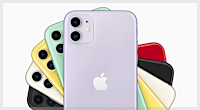
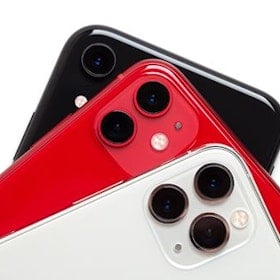
Between Apple's iPhone 17 series, Samsung's Galaxy S26 family, and the Google Pixel 10a, students have many smartphones to consider ahead of the semester. Thankfully, the best smartphones for students in 2026 aren't necessarily the most expensive models.
The iPhone 17 series and Pixel 10a are both phenomenal options for handling messaging, social media, video calls, photography, note-taking, streaming, and the occasional gaming session. You can also find options that won't require an upgrade halfway through your degree.
We've looked across the current smartphone market to find the best options for different student budgets and priorities.
Best smartphone for students: iPhone 17
Apple's iPhone 17 is our top pick for most students. It offers the performance and software experience you'd expect from a flagship iPhone without reaching the eye-watering prices of the Pro models.
The iPhone 17 starts at $1,144 in Canada and comes with Apple's A19 chip, a 6.3-inch ProMotion display, and a dual-camera system. It also benefits from Apple's long-term software support, making it a phone you can reasonably expect to keep throughout several years of school. That's important for students. Nobody wants to replace a phone because it suddenly feels too slow after two years.
The iPhone 17 also makes sense if you're already invested in Apple's ecosystem. Because iOS is so compatible with macOS, Apple's iPhone 17 pairs nicely as a productivity machine if you have a MacBook for studies. AirDrop, iMessage, FaceTime, and iCloud can make sharing files and syncing notes, photos, and other schoolwork considerably easier.
iPhone 17 Pro Max 256GB
- 6.9 inch display
- Rear Cameras: 48MP, 48MP, 48MP
- Front Camera: 18MP

iPhone 17e 256GB
- 6.1 inch display
- Rear Camera: 48MP
- Front Camera: 12MP

iPhone 17 256GB
- 6.3 inch display
- Rear Cameras: 48MP, 48MP
- Front Camera: 18MP
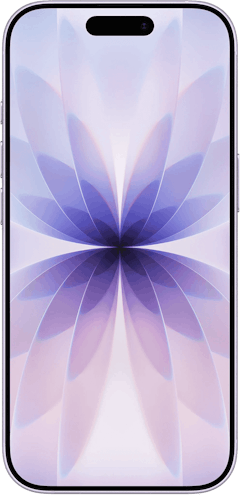
iPhone 17 Pro Max 512GB
- 6.9 inch display
- Rear Cameras: 48MP, 48MP, 48MP
- Front Camera: 18MP

iPhone 17 Pro 256GB
- 6.3 inch display
- Rear Cameras: 48MP, 48MP, 48MP
- Front Camera: 18MP


Best budget smartphone: Google Pixel 10a
The Google Pixel 10a is our pick for students who don't want to spend four figures on a phone. The Pixel 10a starts at $679 from Google and packs Google's Tensor G5 processor with a 5,100mAh battery, giving you 30-plus hours of battery life and fast charging so you're always ready for your next class. Storage starts at 128GB, with a 256GB option available.
More importantly, the Pixel 10a doesn't feel like a cheap phone in the ways that matter. Google gives it a strong camera experience, useful AI features, and a clean version of Android. It's a particularly compelling choice for students who take a lot of photos. Between campus events, nights out, and the inevitable number of pictures of your food, you won't regret having a phone that takes good photos without requiring much effort.
The downside is that the 10a doesn't offer the same premium hardware as Google's flagship Pixel 10, or the latest Pixel 11 models. But if your priority is spending less while still getting a phone you'll enjoy using every day at school, that's a reasonable compromise.
Pixel 10a 128GB
- 6.3 inch display
- Rear Cameras: 48MP, 13MP
- Front Camera: 13MP
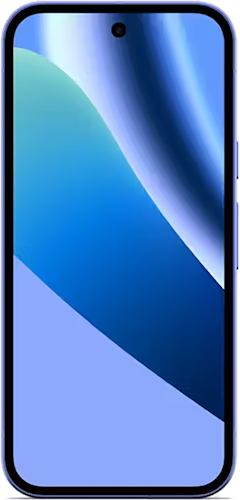
Pixel 10a 256GB
- 6.3 inch display
- Rear Cameras: 48MP, 13MP
- Front Camera: 13MP
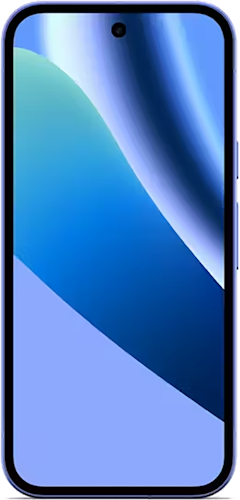
Best affordable iPhone: iPhone 17e
If you want an iPhone but can't justify the $1,129 starting price of the iPhone 17, the iPhone 17e is a great alternative. Apple launched the iPhone 17e in Canada at $899, with 256GB of storage as standard. That's twice the starting storage of its predecessor, and the phone uses Apple's latest A19 chip, which provides the best performance on an iPhone.
The 17e also includes a 48MP Fusion camera, MagSafe functions, Apple Intelligence, and satellite connectivity features such as Emergency SOS and Messages via satellite.
The price point does have some compromises, though. The display runs at 60Hz rather than the 120Hz ProMotion panel on the iPhone 17, and its camera setup won't offer the same versatility as the standard iPhone 17.
For students already living inside Apple's ecosystem, those compromises may be easier to accept than spending several hundred dollars more for a different device.
iPhone 17 Pro Max 256GB
- 6.9 inch display
- Rear Cameras: 48MP, 48MP, 48MP
- Front Camera: 18MP
iPhone 17e 256GB
- 6.1 inch display
- Rear Camera: 48MP
- Front Camera: 12MP
iPhone 17 256GB
- 6.3 inch display
- Rear Cameras: 48MP, 48MP
- Front Camera: 18MP
iPhone 17 Pro Max 512GB
- 6.9 inch display
- Rear Cameras: 48MP, 48MP, 48MP
- Front Camera: 18MP
iPhone 17 Pro 256GB
- 6.3 inch display
- Rear Cameras: 48MP, 48MP, 48MP
- Front Camera: 18MP
Best Android flagship: Samsung Galaxy S26
Samsung's Galaxy S26 is a strong all-rounder for Android-loving students. It's fast, compact enough to carry around campus, and overflowing with Samsung's latest Galaxy AI features. The Galaxy S26 and S26+ also offer 256GB and 512GB storage configurations, giving students plenty of room for apps, photos, videos, and downloaded lectures.
Samsung's biggest advantage is how much functionality it packs into its software. Features like Circle to Search, Interpreter, AI Select, and other Galaxy AI tools can be useful when you're translating something or researching a subject from one of your classes.
The S26 also makes sense for students who use a Windows-powered PC or laptop, Galaxy Buds, or other Samsung hardware. Samsung's ecosystem isn't quite the same as Apple's, but it's increasingly cohesive. Many tools make transferring files, photos, and more easier. Samsung's Galaxy S26 provides a great extension to your workflow throughout the school year.
The catch is price. A flagship Galaxy isn't the budget option, and students who simply need messaging, browsing, and streaming can save a lot by choosing something like the Pixel 10a or iPhone 17e.
Galaxy S26 FE 5G 128GB
- 6.7 inch display
- Rear Cameras: 50MP, 12MP, 8MP
- Front Camera: 12MP

Galaxy S26 FE 5G 256GB
- 6.7 inch display
- Rear Cameras: 50MP, 12MP, 8MP
- Front Camera: 12MP

Galaxy S26 5G 256GB
- 6.3 inch display
- Rear Cameras: 50MP, 10MP, 12MP
- Front Camera: 12MP
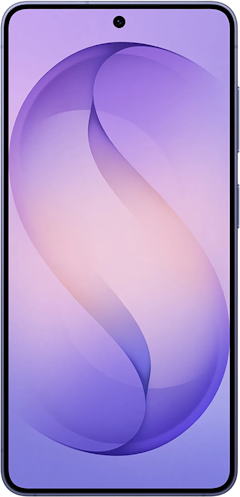
Galaxy S26 5G 512GB
- 6.3 inch display
- Rear Cameras: 50MP, 12MP, 10MP
- Front Camera: 12MP
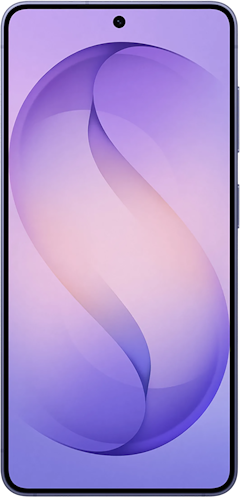
Galaxy S26+ 5G 256GB
- 6.7 inch display
- Rear Cameras: 50MP, 10MP, 12MP
- Front Camera: 12MP
Best phone for battery life: Google Pixel 10a
Battery life matters more when you're a student than it might seem. A phone that lasts through a full day of classes, commuting, studying, and going out afterward is far more useful than one that needs charging in the afternoon.
That's another reason the Pixel 10a stands out. Google rates it for more than 30 hours of battery life, while its 5,100mAh battery provides plenty of capacity for a day away from a charger. Extreme Battery Saver can extend that considerably further when necessary.
The phone also supports fast charging, reaching up to 50% in roughly 30 minutes with a compatible 45W USB-C charger or better. For a student constantly moving between classrooms, libraries, residences, and public transit, that flexibility won't go unnoticed during your semester.
Pixel 10a 128GB
- 6.3 inch display
- Rear Cameras: 48MP, 13MP
- Front Camera: 13MP
Pixel 10a 256GB
- 6.3 inch display
- Rear Cameras: 48MP, 13MP
- Front Camera: 13MP
Best phone for photography: iPhone 17
Students don't necessarily need a professional camera, but having a good smartphone camera lets you document trips, scan notes, and capture memories with friends.
The iPhone 17 is particularly strong here. Its 48MP Fusion Main camera pairs with the 48MP Fusion Ultra Wide lens, giving students more flexibility for everyday shots, group photos, and macro photography. The main camera also offers an optical-quality 2x telephoto zoom option. Plus, Apple's Photonic Engine, Night mode, and latest-generation Photographic Styles help produce consistent results without requiring much manual tweaking.
The iPhone 17 also works as a capable video camera, supporting 4K Dolby Vision recording at up to 60fps, plus a Cinematic mode and Action mode. All these features make this device a good fit for students creating social content, recording presentations, or simply documenting the occasional night out.
Another option: The Pixel 10a is another excellent choice if photography is a priority, particularly if you prefer Google's computational photography and AI editing tools.
iPhone 17 Pro Max 256GB
- 6.9 inch display
- Rear Cameras: 48MP, 48MP, 48MP
- Front Camera: 18MP
iPhone 17e 256GB
- 6.1 inch display
- Rear Camera: 48MP
- Front Camera: 12MP
iPhone 17 256GB
- 6.3 inch display
- Rear Cameras: 48MP, 48MP
- Front Camera: 18MP
iPhone 17 Pro Max 512GB
- 6.9 inch display
- Rear Cameras: 48MP, 48MP, 48MP
- Front Camera: 18MP
iPhone 17 Pro 256GB
- 6.3 inch display
- Rear Cameras: 48MP, 48MP, 48MP
- Front Camera: 18MP
What should students look for in a smartphone?
You don't need to spend $1,500 on a phone to get through university or college. For most students, we'd prioritize battery life, software support, storage, and camera quality before chasing the fastest processor available.
A phone should also have enough storage for several years of photos, apps, and downloaded media. We'd recommend at least 128GB, although 256GB is preferable if you plan to keep the device for several years.
Also consider your existing device ecosystem. An iPhone makes the most sense if your laptop is a MacBook and your friends and family primarily use Apple's services. Android offers considerably more hardware choices, including inexpensive phones from Google, Samsung, and other manufacturers.
Finally, don't forget your monthly phone plan. A cheaper phone paired with an affordable BYOD plan often costs less over two years than financing a flagship device with a premium carrier plan. Students should compare the total cost of the phone and wireless service rather than focusing exclusively on the monthly device payment.
Quick tip
Before financing a new phone through a carrier, check whether a BYOD plan on the same network costs less overall. WhistleOut's plan comparison tool can help you weigh the full two-year cost side by side.
Steve Vegvari
Staff Writer

Thousands of cell phone plans unpacked. All the facts. No surprises.
Related Articles



Find Better Phones and Plans
Hundreds of cell phone plans unpacked. All the facts. No surprises.