Fast charging is a superbly convenient way to charge your smartphone. For many users, the 65W fast charger is seen as the gold standard. A 65W charger sounds twice as good as a 30W one on paper. Unfortunately, it won't necessarily charge your phone twice as fast.
Ultimately, your smartphone determines how much power it can use safely, and it has a limit to its charging session. Therefore, while it may seem like a good idea to default to a 65W charger, you may be damaging your phone's battery.
Before you spend more on a high-wattage adapter, it helps to know what the numbers mean and whether your phone can use them.
What does wattage mean?
Simply put, watts measure electrical power. A charger rated for more watts can supply energy faster. This is as long as the phone supports that power level and the right charging standard.
Using a 65W USB-C adapter doesn't automatically mean you'll receive 65W charging on every phone. Your phone's charging capacity is ultimately what dictates the power level that is required and accepted. That's why you'll want to understand your device's wattage limits and choose a suitable power adapter.
In some cases, a laptop charger can safely charge a phone. That is, as long as it's from a reputable manufacturer and follows the standards.
Does a higher-watt charger charge your phone faster?
A fast charger can only provide as much power as the phone can accept. For instance, say your phone tops out at 25W. Swapping a suitable 30W charger for a 65W one may give you little or no speed benefit. A phone built for higher charging power can gain more, however.
The charging curve matters too. Phones usually charge fastest at low battery levels and slow down as they fill up. This is designed to limit heat and wear on the battery. That's why manufacturers love to advertise charging time to 50% rather than to 100%. For more ways to speed things up, see our guide to making your phone charge faster.
Common charger wattages
| Charger rating | Typical use | What to know |
|---|---|---|
| 5W–12W | Older basic chargers | Usually slow by modern standards |
| 20W–30W | Many smartphones | Often enough for mainstream fast charging |
| 45W–65W | Some phones, tablets, and smaller laptops | Speed benefit depends on device support |
| 100W or more | Laptops and multi-device setups | A phone may not accept anywhere near that much |
It's best to treat these as rough categories, not speed guarantees. Your phone, the adapter, the cable, the temperature, and the battery level all change the result.
- 6.3 inch display
- Rear Cameras: 48MP, 48MP, 48MP
- Front Camera: 18MP
- 6.3 inch display
- Rear Cameras: 48MP, 48MP, 48MP
- Front Camera: 18MP
- 6.3 inch display
- Rear Cameras: 48MP, 48MP, 48MP
- Front Camera: 18MP
- 6.3 inch display
- Rear Cameras: 48MP, 48MP, 48MP
- Front Camera: 18MP
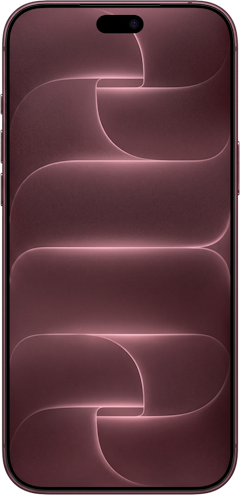
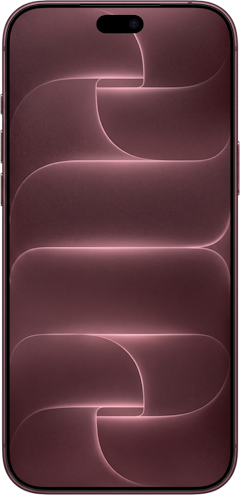
- 6.9 inch display
- Rear Cameras: 48MP, 48MP, 48MP
- Front Camera: 18MP

USB Power Delivery explained
USB Power Delivery (USB PD) is a standard that lets compatible devices and chargers negotiate power over USB-C. One adapter can serve very different gadgets, because each device asks for what it needs instead of getting the same output.
According to the USB-IF's overview of USB Power Delivery, the standard allows more flexible power delivery, and newer versions go well beyond what phones typically require, up to 240W. Not every USB-C charger supports every charging mode, though.
Some phones also use Programmable Power Supply (PPS) or a manufacturer's own charging system. If your phone names a specific standard, buy a charger that supports it. A matching wattage alone won't guarantee full speed.
Understanding your USB-C cable
USB-C cables vary in the current they handle. Most USB-C cables offer their own power ratings depending on the manufacturer, how they're built, and whether they're certified. One that's designed for traditional phone charging may not support fast charging or a device from another manufacturer.
It's essential to buy USB-C charging cables from a reputable maker and check the cable's limitations. If you buy a cheap, off-brand USB-C cable, chances are you'll get slower charging, which will take longer than buying one from a reputable brand.
When purchasing a charger, keep in mind that fast charging and fast data transfer are separate things. A cable can carry plenty of charging power while moving data at fairly basic speeds. Make sure to read the packaging and confirm the wattage and data transfer speeds meet your needs before purchasing.
Wireless charging vs. wired charging
Wireless and MagSafe charging is handy at a desk or on a bedside table, but alignment, heat, case thickness, and supported standards all affect speed and efficiency. When you need a quick top-up before heading out, a cable is the more predictable option.
Does fast charging damage your battery?
Heat and battery aging are real concerns, but phones manage charging with built-in controls. A compatible fast charger used in normal conditions isn't automatically harmful. Avoid charging in extreme temperatures, using a damaged cable, or covering the phone so heat gets trapped.
Battery health also depends on the phone's age, your charging habits, and the manufacturer's protections. If your phone has an optimized or adaptive charging setting, leaving it on is a reasonable idea.
Understanding what charger you should buy
Start with your phone's official charging specs. Pick an adapter that supports the standard it needs and enough wattage, then match it with a suitable cable. A 100W charger makes sense if you also want to charge a laptop. It makes less sense if your phone can only use a fraction of that.
If you're shopping for a new phone, weigh battery life alongside charging speed. A phone that lasts all day can be more convenient than one that charges quickly but needs constant top-ups.
Fast smartphone charging: FAQ
Can I use a 65W charger on a 25W phone?
Generally, yes, you can use a 65W charger on a 25W phone if it's a reputable, compatible USB-C charger. The phone should negotiate a suitable power level.
Why does my phone charge slowly after 80%?
Your phone charges slowly after 80% because charging usually tapers near full capacity to manage heat and battery stress. How much varies by phone.
Is a more expensive charger always faster?
No, a more expensive charger isn't always faster. Compatibility with the right standards and your phone's charging limit matter more than price or the advertised maximum wattage.
- 6.7 inch display
- Rear Cameras: 50MP, 12MP, 8MP
- Front Camera: 12MP

- 6.7 inch display
- Rear Cameras: 50MP, 12MP, 8MP
- Front Camera: 12MP

- Rear Cameras: 50MP, 48MP, 48MP
- Front Camera: 42MP
- Android 17
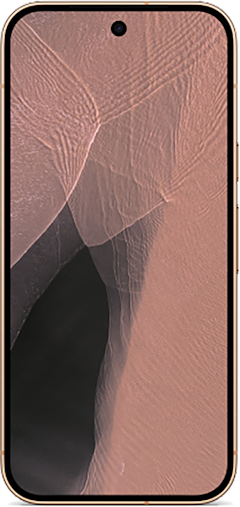
- Rear Cameras: 50MP, 48MP, 48MP
- Front Camera: 42MP
- Android 17
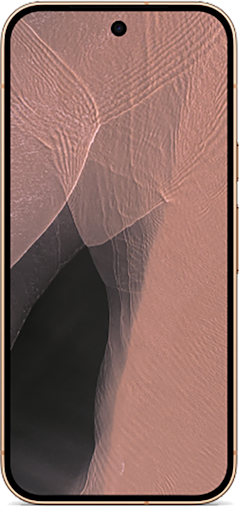
- Rear Cameras: 50MP, 48MP, 48MP
- Front Camera: 42MP
- Android 17
Steve Vegvari
Staff Writer

Thousands of cell phone plans unpacked. All the facts. No surprises.
Related Articles



Find Better Phones and Plans
Hundreds of cell phone plans unpacked. All the facts. No surprises.