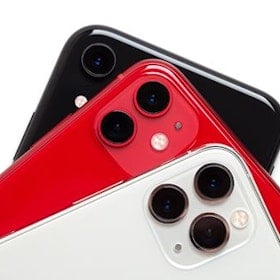
.jpg "Apple iPhone 17 models.")
Image: Apple
Apple has unveiled its new iPhone 17 family of devices, introducing the new iPhone Air in place of the Plus model. But even after 12 months of the iPhone 16 being on the market, it's still a robust generation of devices, supporting Apple Intelligence, cutting-edge camera features, and stunning display quality.
The 17 lineup improves the camera array for the Pro-level models, adds ProMotion display tech across devices, and gives every device the new standout front selfie camera.
It may not be reinventing the idea of what an iPhone is, but the iPhone 17’s promising features push it just over the edge for us to say it is worth the upgrade. But the iPhone 16 still makes a great choice for anyone on more of a budget
Let’s compare the iPhone 17 and iPhone 16 to see how they stack against one another.
Specs comparison
Although the base iPhone 17 introduces some great spec improvements, it's still comparable in many ways to last year's iPhone 16. Many core features and design elements carry over from last year’s lineup. The most notable refinement hitting the iPhone 17 is the introduction of the Center Stage camera on the front of the device.
Thanks to these, the iPhone 17 series truly stands out when compared to the iPhone 16.
iPhone 17 vs. iPhone 16: Specs comparison
| iPhone 17 | iPhone 16 | |
|---|---|---|
| Starting price | From $1,129 | From $999 |
| Display | 6.3"
120Hz ProMotion |
6.1” 60Hz Super Retina XDR |
| Processor | A19 chip |
A18 chip |
| Main camera | Dual-lens
48MP fusion @ ƒ/1.6 48MP ultra-wide @ ƒ/2.2 2x optical/5x digital zoom |
Dual-lens 48MP main @ ƒ/1.6 12MP ultra-wide @ ƒ/2.2 2x optical/5x digital zoom |
| Selfie camera | 18MP @ ƒ/1.9 |
12MP @ ƒ/1.9 |
| Video recording | 4K HDR
Cinematic mode (up to 4K) Macro video recording |
4K HDR Cinematic mode (up to 4K) Macro video recording |
| Internal memory | 256GB
512GB 1TB |
128GB 256GB 512GB |
| Battery life | Up to 30 hours of video playback | Up to 22 hours playback |
| Charging | USB-C
MagSafe up to 25W | USB-C MagSafe up to 25W |
| Colours | Black
White Mint blue Sage Lavender |
Black
White Pink Teal Ultramarine |
Pricing
As history reflects, Apple drops the prices of the previous generation when it launches a new flagship series. With the advent of the iPhone 17 upon us, the iPhone 16 price has dropped as expected.
These devices now start at:
- iPhone 16: $999
- iPhone 16 Plus: $1,449
While first looking at the iPhone 17, the company is launching the entry-level models, which include the new iPhone 17 Air. Apple is also continuing to support its high-end Pro modes as well. Here are the base costs for each:
- iPhone 17: $1,129
- iPhone Air: $1,49
When looking at the Apple website, the iPhone 16 is $999. The sizeable price drop makes the iPhone 16 a great option for those who want to upgrade to a newer device but still want to save some money. The iPhone 16 introduced great features like the Camera Control button, Audio Mix controls, and the use of the A18 chip for performance boosts.
Although the base iPhone 16 misses out on ProMotion display technology and the new Center Stage selfie camera of the iPhone 17, last year's models still hold their own. Especially since they also offer Apple Intelligence innovations and support iOS 26, just like the iPhone 17.
iPhone 17 Pro Max 256GB
- 6.9 inch display
- Rear Cameras: 48MP, 48MP, 48MP
- Front Camera: 18MP

iPhone 17 Pro 256GB
- 6.3 inch display
- Rear Cameras: 48MP, 48MP, 48MP
- Front Camera: 18MP
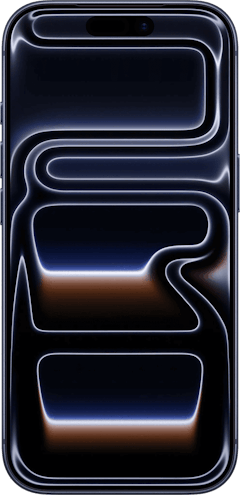
iPhone 17 256GB
- 6.3 inch display
- Rear Cameras: 48MP, 48MP
- Front Camera: 18MP
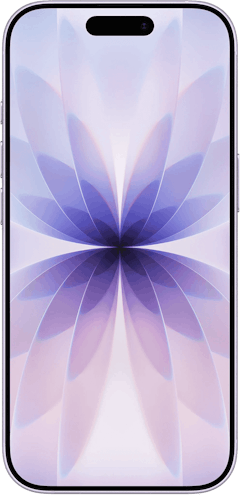
iPhone 17e 256GB
- 6.1 inch display
- Rear Camera: 48MP
- Front Camera: 12MP

iPhone 17 Pro Max 512GB
- 6.9 inch display
- Rear Cameras: 48MP, 48MP, 48MP
- Front Camera: 18MP


Display and screen
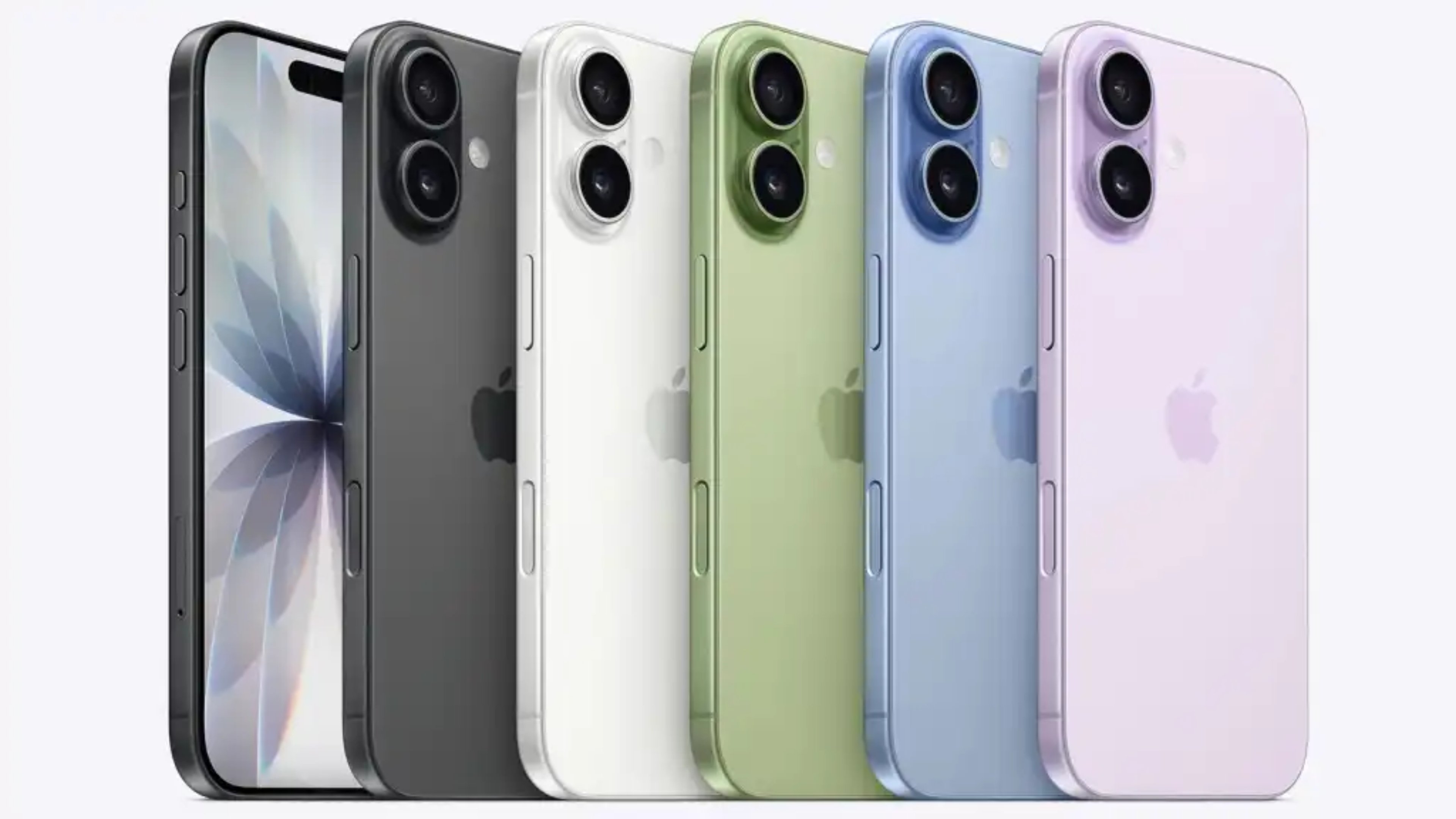
Image: Apple
The iPhone 17 sports a larger 6.3-inch display size, up from 6.1 inches on the base iPhone 16. The base model iPhone 17 also includes ProMotion technology, which supports up to 120Hz. Turning our attention to this year's Pro models, the iPhone 17 Pro features the same 6.3-inch display as the base model. The Pro Max, on the other hand, introduces a 6.9-inch display, the biggest in this year's family.
ProMotion technology was previously exclusive to iPhone 16 Pro models. With the use of ProMotion, iPhone 17 has a more fluid display navigation. This largely impacts the way scrolling looks as well as consuming video content. So, if 60Hz is the sweet spot for you, you'll likely find that the base iPhone 16 is a capable device to pick up and use as your daily driver.
Design
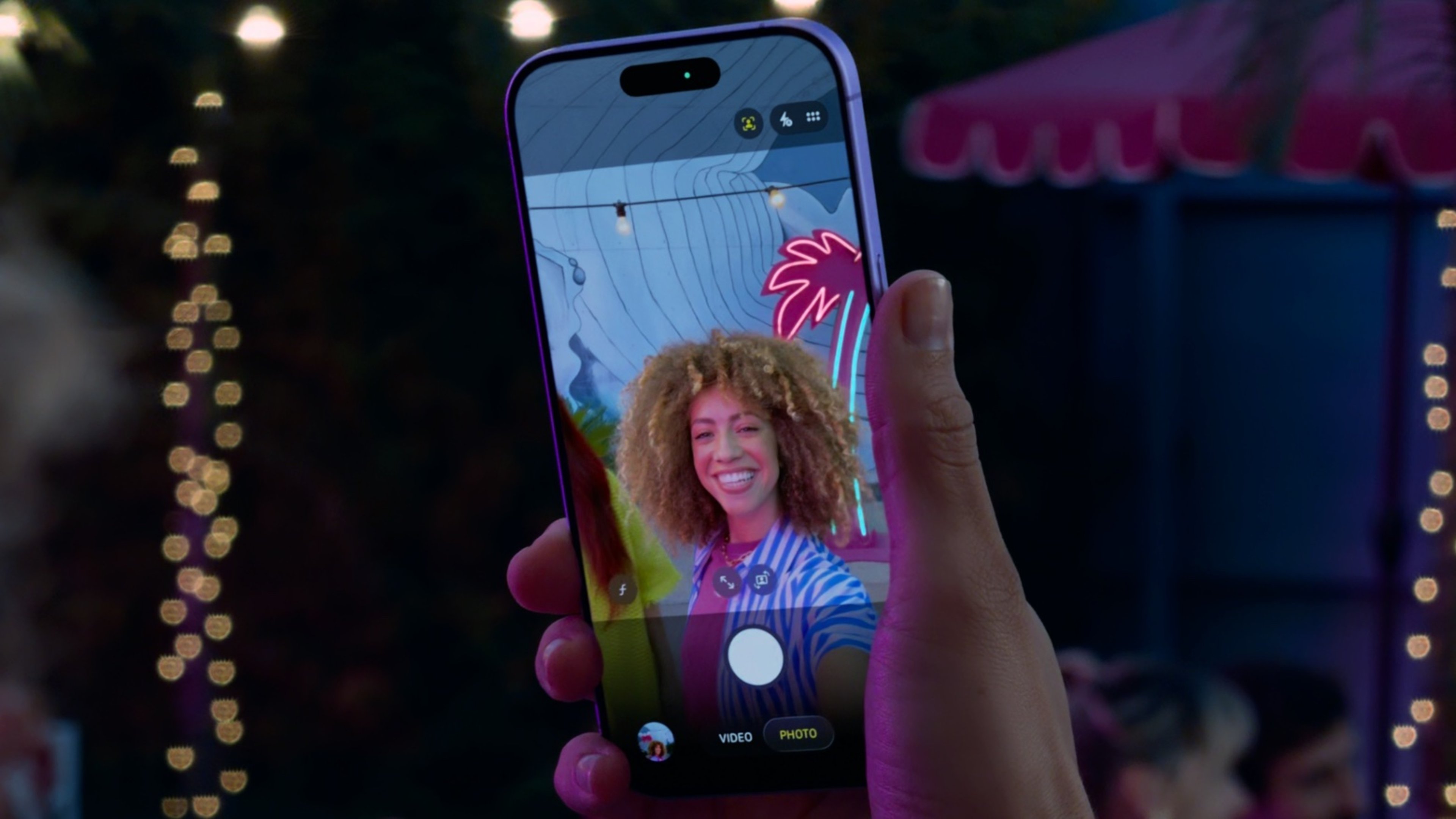
Image: Apple
Apple's iPhone 17 not only carries the iPhone 16's design approach but also refines it. This year's biggest design improvement is the refreshed camera array. On the rear of the iPhone Air, iPhone 17 Pro, and iPhone 17 Pro Max is a Pixel-like rectangular camera bar that runs from side to side. Unfortunately, the base iPhone 17 omits the use of the new camera bar and instead uses a "dual fusion” camera system inside a small camera bump.
Although the camera arrangement remains in the same triangular layout, the camera bar of the Pro models is a design choice that'll likely get many talking. Composed of a glass panel, the camera bar may be elegant to some and overkill to others.
Accompanying the camera array, Apple includes two small sensors on the opposite side of the device. Rather than everything crammed into a small square camera bump, the rectangular bar is a substantial change. Annoyingly, all previous cases will not be compatible with the iPhone 17. Although expected, the new camera bar ensures that all users will have to purchase a new protective case for their device—if they prefer a case.
Looking at the chassis of the iPhone 17 Pro models, Apple is transitioning away from a titanium body and adopting the use of aluminum and improved thermal technology. With an aluminum chassis, iPhone 17 will be lighter than its predecessor and will also dissipate heat more effectively. The use of titanium first hit the iPhone upon the introduction of the iPhone 15 Pro. Over the past two years, iPhone users have routinely pointed out how the device runs hot. This issue was mitigated slightly with the iPhone 16 Pro, but wasn't perfected, so it's assumed Apple swapped materials to avoid any further issues.
Carrying over from the iPhone 16, Apple's iPhone 17 features the Camera Control button. Introduced last year, the Camera Control feature enables users to press or slide their finger to take photos and change camera functions. Found on the side of the device, controls like zooming in/out or changing filters can be accessed easily. So, iPhone 16's biggest feature is no longer exclusive to the device.
Some other minor changes are the colourways available this year. iPhone 17 is launching with 5 colour options including Lavender, Sage, Mint Blue, White and Black. In comparison, iPhone 16 is available in Ultramarine, Teal, Pink, White and Black. So, while there aren't too many radically different colours, the lavender option is a standout that Apple hasn't dabbled in previously.
Processor and performance
Image: Apple
iPhone 17 introduces the new A19 chip, built by Apple. Iterating on last year's A18 processor, the new chip is said to offer 20% improvements to performance and efficiency. The A19 chip is confirmed to feature a 6-core CPU, a 5-core GPU, and support for Apple Intelligence features.
Apple built the A19 chip on 3-nanometer technology, improving efficiency and speed when compared to the A18 Pro silicon. The base iPhone 17 is powered by the standard A19 chip. When looking at the iPhone 17 Air, Apple has built in the more efficient A19 Pro chip. Then, the iPhone 17 Pro and iPhone 17 Pro Max both utilize a high-end A19 Pro chip, offering 40% improved efficiency over the iPhone 16 Pro.
On paper, the A19 series of chips looks to be improving on the A18 processor in virtually every manner that impacts performance. Keep in mind, though, that these improvements are likely to be modest and incremental at best for the everyday user. The generational leap between Apple's silicon chips is noteworthy but historically never revolutionary. It also begs hands-on testing to see just how efficient the A19 chip is this generation.iOS 26 and Apple Intelligence
Announced earlier this year at WWDC, Apple is launching iOS 26 for iPhone 17 and other compatible iPhone models. The new OS introduces the Liquid Glass UI, mimicking the design philosophy from Apple Vision Pro. With transparent windows and app buttons, iOS 26 presents a sleek new design for how the software looks when in use. As with previous years, the new iOS update launches within the window of iPhone 17's release on September 19.
Alongside the new Liquid Glass UI, iOS 26 is introducing some new app improvements. For instance, the Camera app has been redesigned to offer more streamlined navigation. Now users can scroll between video and photo settings. Tools and controls for exposure, aspect ratio, etc., are now hidden within expandable menus. Apple also updated the Safari app with improved navigation options.
Apple also continues its support of Apple Intelligence with new features. Through iOS 26, the company is launching its Live Translation feature, which automatically translates texts in Messages and displays translated captions in FaceTime. Apple's Visual Intelligence feature can now read what's on your screen to help find products and add events to the Calendar app. In Image Playground, you can discover new ChatGPT staples to toy around with, incorporating images based on friends and family using Genmojis.Which iPhones are eligible to receive iOS 26 support?
If you're not in the market for an upgrade this year but are afraid of missing out on iOS 26, Apple is committing to supporting the new OS on older iPhones. Thankfully, the lineage of support goes back several generations. If you have an iPhone dating back to the iPhone 12 or iPhone SE (2nd Gen) or have a new device, you'll still have access to iOS 26.
Cameras
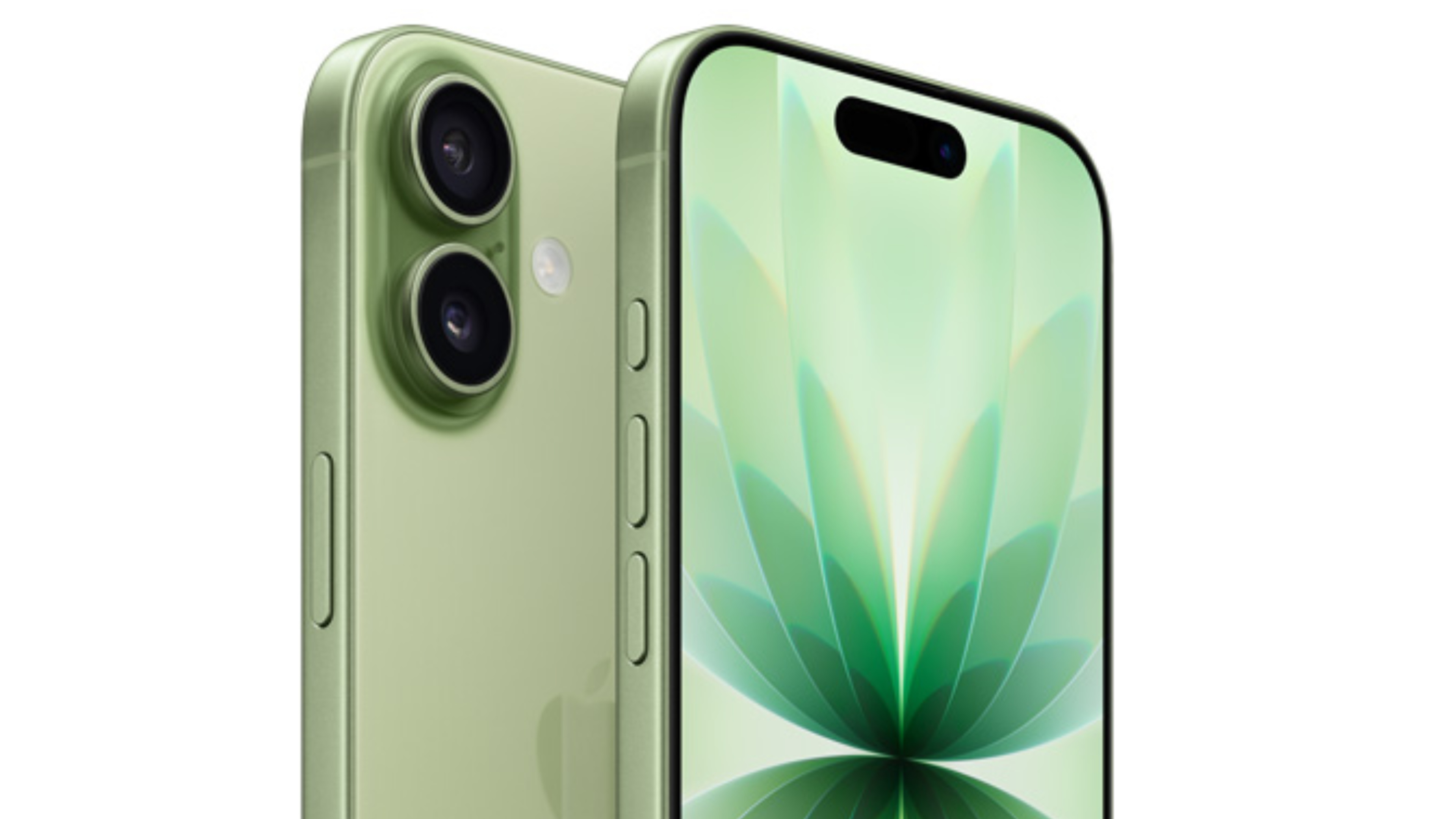
Image: Apple
Apple has always been a leader in the smartphone photography space, but the iPhone 17 Pro is bringing some welcome upgrades to the camera. As previously mentioned, the Pro models now house the cameras in a horizontal camera bar, an aesthetic departure from last year's model.
However, as we look at the base iPhone 17's camera array, there's sadly not much new to report on besides an upgraded ultra-wide camera.
iPhone 17:
Dual-camera array
Main: 48MP, ƒ/1.6 aperture
Ultra-wide: 48MP, ƒ/2.2 aperture
.5x, 1x, 2x optical zoom options
iPhone 17 Pro:
Triple-camera array
Main: 48MP, ƒ/1.6 aperture
Ultra-wide: 48MP, ƒ/2.2 aperture
Telephoto 48MP, ƒ/2.8 aperture
0.5x, 1x, 2x, 4x, and 8x optical zoom options
iPhone 16:
Dual-camera array
Main: 48MP, ƒ/1.6 aperture
Ultra-wide: 12MP, ƒ/2.4 aperture
.5x, 1x, 2x optical zoom options
Where things get interesting is when we look at the iPhone 17 Pro models. This year, the iPhone 17 Pro features a new 48MP wide camera, a 48MP ultra wide shooter and a 48MP tetraprism telephoto lens with 5x optical zoom. The iPhone 17 Pro is the first Apple device to feature a triple 48MP camera setup. iPhone 17 Pro models also support 8K video recording for the first time, as well as a mechanical aperture to better tailor your shots.
The improvements the iPhone 17 brings to the table should really excite those who love digital photography and capturing moments with their iPhone. The Pro models supporting an improved 48MP Ultra Wide camera will likely excite many customers. That said, the iPhone 16 is still a great device for taking photos, especially since it's the first to use the Camera Control button.
Battery life
The iPhone 17 features an expanded battery, supporting all-day use. Pro models now support reverse wireless charging for Apple accessories.
iPhone 17 vs. iPhone 16 battery life
| iPhone 17 | iPhone 16 |
|---|---|
| Up to 30 hours playback | Up to 22 hours playback |
The iPhone 17 has an upgraded battery, giving you more time with your device when compared to the iPhone 16. Apple claims the iPhone 17 features up to 30 hours of playback. This is a sizeable upgrade from the 22 hours on the iPhone 16.
To no surprise, iPhone 17 continues to leverage USB-C charging, so you won't have to purchase any new charging cables or stands. The new family of devices are all MagSafe compatible as well.
With upgraded battery capacities, the iPhone 17 series outpaces last year's models. With improved battery life, the iPhone 17 would likely make a better choice if you find yourself working from your phone or, unfortunately, doomscrolling throughout your day.
Verdict: Is the iPhone 17 worth the upgrade?
The iPhone 17 offers many compelling upgrades, boasting efficiency improvements and camera upgrades that could speak to many users this year. In our opinion, the iPhone 17 is worth the upgrade. Year over year, Apple refines its iPhone series marginally. However, every few years, we reach a moment when the improvements make for a meaningful upgrade for customers. This year feels that way in many respects.
The iPhone 17 looks familiar in design. Though with the introduction of the more efficient A19 chip, a redesigned camera array and ProMotion support across the board, iPhone 17 feels more than an incremental upgrade. There are series improvements this year that, while they aren't revolutionary, are still worthy of getting excited over.
With these tech features in mind, the iPhone 16 is still a great device, and it might win you over if you have an older phone and want to save a few bucks. It has an exceptional assortment of cameras to take photos and videos with. Plus, the introduction of the Camera Control button stands out as a great innovation that carried over to the iPhone 17. Plus, the iPhone 16 is compatible with iOS 26, so you won't be left out if you choose not to go with the new devices this year and hold out for the iPhone 18 or later.
Steve Vegvari
Staff Writer

Thousands of cell phone plans unpacked. All the facts. No surprises.
Related Articles



Find Better Phones and Plans
Hundreds of cell phone plans unpacked. All the facts. No surprises.